墨白
墨白 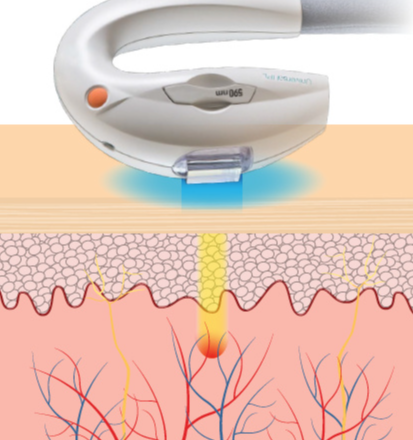
After undergoing photorejuvenation treatment, their skin actually becomes darker – this is the real experience of many people after the procedure. As a result, quite a few people begin to wonder if they have actually gotten the opposite effect of what they were hoping for, and some even develop resistance towards photorejuvenation treatments.
However, the issue of combating fraud in the medical beauty industry is not actually that mysterious. By understanding the underlying reasons, most people can avoid falling victim to such scams.
How did the anti-black movement come about?
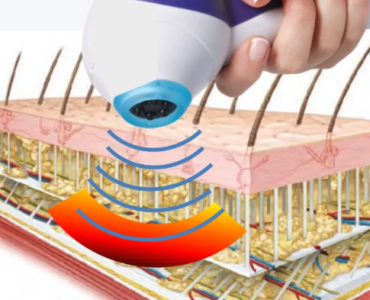
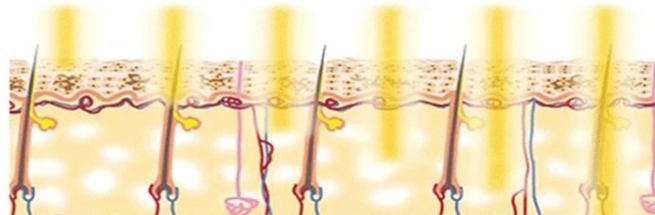
The principle of photorejuvenation (IPL, intense pulsed light) is to use light energy of a specific wavelength to break down the melanin particles in the skin, allowing the pigments to be eliminated through metabolic processes. The problem is that this process of “breaking down” melanin can cause mild thermal irritation to the skin. When melanin cells detect this irritation, they become temporarily more active and produce more melanin in order to “protect” the skin.
This is why some people experience their skin becoming darker than before one or two weeks after the procedure. Medically, this is referred to as “post-inflammatory pigmentation (PIH)”, which is a defensive reaction of the skin in response to irritation and is not at all uncommon.
In addition to the above, the following circumstances can also exacerbate the occurrence of dark spots:
- If proper sun protection is not taken after the procedure, ultraviolet rays can cause melanocytes to become more active.
- The treatment energy parameters are set too high, resulting in damage to the skin barrier.
- People with darker skin tones (Fitzpatrick III type or above) are naturally more prone to developing hyperpigmentation.
- After the procedure, irritating skincare products containing fruit acids, retinol, or high-concentration vitamin C were used.
Has the anti-black campaign always existed?
In most cases, no.
Mild post-inflammatory pigmentation usually subsides on its own within 4 to 8 weeks. The speed of skin metabolism varies from person to person; those who are younger and have a faster metabolism may see the pigmentation fade sooner, while individuals with darker skin or those who do not maintain proper skincare may take up to around 3 months for the pigmentation to disappear.
What truly requires concern is those instances where the discoloration persists for more than 3 months, continues to worsen, and is accompanied by skin sensitivity or stinging sensations. Such situations are usually related to excessive treatment intensity or an individual’s intolerance to phototherapy, and require follow-up treatment.
How can one avoid the risk of skin darkening?
There are several things that are more important than taking remedial action afterwards:
Preoperative assessment is essential. Inform your doctor whether you have recently been exposed to excessive sunlight, whether you have a tendency to develop pigmentation, and whether you are using acid-based or acidic skincare products. All these factors can affect the selection of appropriate treatment parameters. People with darker skin, in particular, should let their doctor know about this—it’s not that such treatments cannot be performed, but rather that the approach needs to be adjusted accordingly.
The outcome in the 24 hours following the procedure is determined by how you care for your skin in this initial period. On the first day after the surgery, avoid washing your face or applying makeup to give your skin’s barrier time to stabilize. Gently cleanse your skin with lukewarm water and use moisturizers that contain ceramides or Filler to nourish it. At the same time, steer clear of any ingredients that claim to have “therapeutic effects”.
Sun protection should start on the very day of the procedure. It’s not about starting a week after the surgery, but about beginning immediately. When going out, physical sun protection methods should be given priority—wear a hat, a mask, and use an umbrella—and also apply a mild sunscreen with an SPF of at least 30. The skin after the surgery is particularly sensitive to ultraviolet rays, and getting sunburned at this stage significantly increases the risk of hyperpigmentation.
How long does it take for the skin to become fairer after undergoing photorejuvenation treatment?
Let’s start with the normal time frame: 3 to 5 days after the procedure, the darkness of the skin may increase slightly, or mild scabbing may occur (do not pick at the scabs); 1 to 2 weeks after the procedure, the scabs will fall off naturally, and some pigmentation spots will begin to fade; 4 to 6 weeks after the procedure, the overall evenness of the skin tone will improve significantly; 3 months after the procedure is generally when most people notice the best results.
If you want to undergo a series of treatments, it is generally recommended to wait 4 to 6 weeks between each session, to give the skin sufficient time to recover.
Situations where photon rejuvenation is not suitable
- Recently, there has been a large number of cases of sunburn or tanning.
- Currently taking medications that are sensitive to glow (such as certain antibiotics or acid-based drugs)
- Pregnant women or those who are breastfeeding
- I have active acne on my face, and my wounds have not healed yet.
- People with chloasma should be particularly cautious and are advised to consult a Dermatology specialist first.
The prevention of darkening after photon skin rejuvenation is not something that will definitely happen regardless of the procedure; rather, it is more likely to occur if the pre- and post-treatment steps are not properly followed. Choosing a reputable clinic, allowing the doctor to adjust the treatment parameters according to your skin type, and diligently applying sunscreen and moisturizer after the procedure will significantly reduce the risk of darkening.