墨白
墨白 “After undergoing Thermage treatment, does it mean that the skin is prematurely damaged?” This is the biggest concern that many people have when considering whether to undergo Thermage treatment. To put it simply: Thermage does not cause damage to the skin; this is a common misconception. Once you understand how it works, this concern will naturally disappear.
What is the principle behind Thermage?
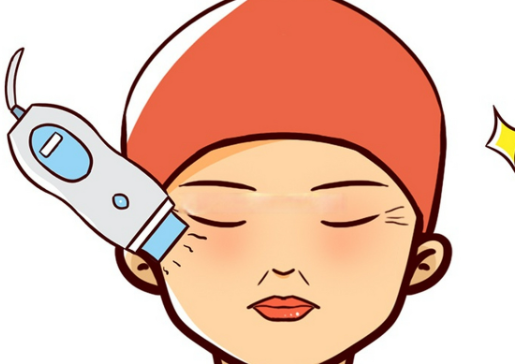
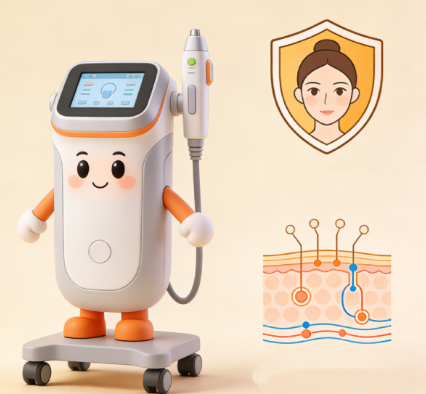
Thermage utilizes Monopolar RF technology to precisely deliver heat energy into the dermis and SMAS fascia layers. During the treatment process, aged and weakened Collagen fibers contract immediately upon being heated, resulting in an immediate sense of tightness. More importantly, the heat also stimulates the skin to activate its natural repair mechanisms, leading to the continuous production of new Collagen 2 to 3 months after the procedure, thereby reconstructing the skin’s supporting structure.
Why is there such a term as “overdrawing one’s skin”?
This notion stems from a misunderstanding of the effects of radiofrequency energy. Some people believe that after undergoing Thermage treatment, their skin becomes loose more quickly over time, and they assume this is because the Collagen has been “consumed prematurely.” In fact, the purpose of Thermage is to stimulate the production of new Collagen, not to destroy existing Collagen. The loosening of the skin after treatment is simply a result of the natural aging process and has nothing to do with Thermage.
What really needs attention is that excessive frequency may pose problems. Any thermal therapy, if administered too frequently or in excessive amounts, will put the skin under prolonged stress, leaving it with insufficient time to recover. This is not a case of “overexertion,” but rather the result of improper treatment.
How long does the effect of Thermage last?
Generally speaking, the effects of Thermage last for 9 to 18 months, although this may vary depending on an individual’s skin condition, age, and lifestyle habits. The effects reach their peak 2 to 3 months after the treatment and then gradually diminish as a result of natural aging processes.
Recommended frequency of injections
Based on your age and skin condition, the following recommendations are offered:
- For those aged 30 to 40: Apply the treatment every 12 to 18 months as part of regular maintenance.
- Ages 40 to 55: Apply the treatment every 9 to 12 months to combat moderate signs of aging.
- For those over 55 years old: It is recommended to discuss a personalized treatment plan with a doctor, depending on the degree of skin laxity.
What are the side effects of undergoing Thermage treatment?
Thermage is a non-invasive treatment method, and its side effects are relatively mild. The common ones include the following:
- After the treatment, there may be mild redness or a sensation of heat in the affected area, but these symptoms usually subside within a few hours.
- In a few cases, there may be mild swelling, which usually subsides within 1 to 2 days.
- In very rare cases, temporary numbness or pigmentation may occur, but these can be alleviated with proper post-treatment care.
Choosing a reputable medical institution and ensuring the use of original equipment probes are crucial in reducing the risk of side effects.
Key points for postoperative care
After undergoing Thermage treatment, the key to proper care lies in enhancing moisturization and sun protection. It is important to avoid high-temperature environments such as saunas and hot springs, as well as irritating skincare products. Additionally, it is not recommended to undergo intense laser treatments within one week after the procedure. By following these guidelines, the effects of new Collagen production can be maximized.
In summary, Thermage does not overburden the skin; it relies on your body’s natural healing abilities to combat aging. As long as the treatments are administered at appropriate intervals and accompanied by the right post-treatment care, it remains a safe and effective option.