墨白
墨白 Many beauty enthusiasts wish to address both “anti-aging” and “wrinkle removal” in one go. HIFU (High-Intensity Focused Ultrasound) and injectable wrinkle treatments (botulinum toxin) are currently the most popular non-invasive anti-aging procedures. Many people wonder: can these two treatments be done together? Is it possible to undergo them on the same day? Which one is more effective when done first? This article will help you clarify these questions.
What are the differences in the working principles of ultrasonic guns and injectable wrinkle removal treatments?
Before discussing whether we can work together on this, it’s essential to understand the underlying principles behind how these two approaches function.
The principle of HIFU
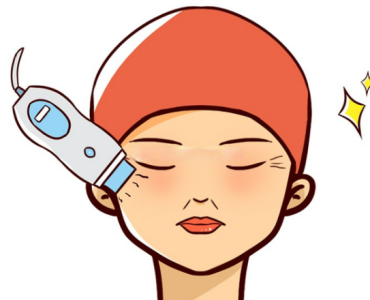
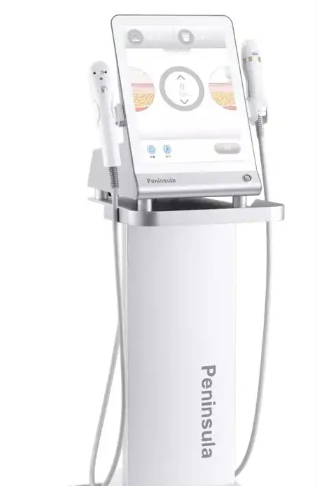
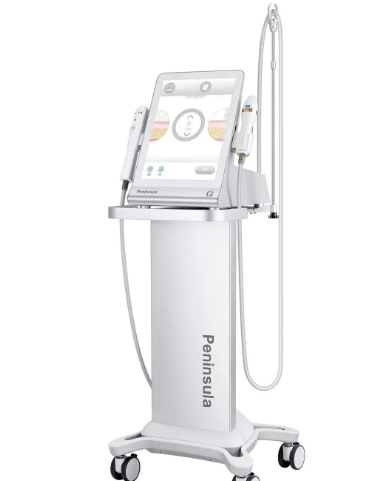
The ultrasonic cannon utilizes high-intensity focused ultrasound to precisely deliver energy deep into the skin, typically reaching the SMAS layer. Through thermal stimulation, it promotes the production of Collagen and tightens loose tissues, thereby achieving a lifting and firming effect. The entire treatment does not damage the epidermis, allowing patients to resume their normal daily activities afterward; however, some mild heat sensation and discomfort may be experienced during the treatment.
How does injectable wrinkle removal (botulinum toxin) work?
Botulinum toxin injections work by temporarily blocking neuromuscular signals, allowing the overactive facial muscles to relax and thereby reducing dynamic wrinkles such as frown lines, crow’s feet, and forehead wrinkles. The effects usually last for 4 to 6 months, making this a maintenance treatment that requires regular follow-up injections.
Their mechanisms of action differ: ultrasound therapy targets the deep fascia, while botulinum toxin acts on the muscle layer. Theoretically, these two methods do not conflict with each other.
Can ultrasonic treatments and injectable wrinkle removal be done together?
In simple terms: it is possible to combine them, but it is best to schedule them at different times.
Although the effects of these two treatments operate at different levels, if they are carried out on the same day or within too short a time interval, several potential issues deserve attention:
- The heat generated by ultrasonic devices may affect the stability of freshly injected botulinum toxin, causing uneven distribution of the drug or even rendering it ineffective.
- After botulinum toxin injection, it takes some time for the muscles to stabilize. If ultrasonic therapy is performed at this stage, changes in the muscle condition may affect the accuracy of the lifting effect.
- After combining these two treatments, the face is subjected to significant stress in a short period of time, leading to increased swelling and discomfort.
What is the recommended interval between sessions?
First, undergo ultrasonic treatment; then, receive botulinum toxin injections.
This is the sequence recommended by most doctors. After undergoing ultrasonic treatment, it is advised to wait at least 2 weeks, allowing the thermal effects to subside before proceeding with botulinum toxin injections. This approach helps prevent the thermal energy from interfering with the effectiveness of the medication and enables doctors to administer the injections in a skin condition that is more stable.
First, receive Botox injections, and then undergo ultrasonic treatment.
If you have already received botulinum toxin injections, it is recommended to wait for at least 1 month (some doctors suggest 2 to 4 weeks) before undergoing ultrasonic therapy. This allows the effects of the medication to stabilize before the ultrasonic treatment is administered, ensuring that the heating process does not undermine the尚未 fully established therapeutic effects of the drug.
In summary, it is recommended to leave at least a 2-to-4-week interval between the two treatments, and to arrange the sequence of these treatments under the supervision of a physician.
What is the effect of using these two treatments together?
When used properly, ultrasound and botulinum toxin can indeed work together to achieve an anti-aging effect where “1+1>2”.
- Ultrasonic technology helps to reduce deep skin sagging and tighten the contours of the face.
- Botulinum toxin helps smooth out expression lines and relax overly tense facial muscles.
- By combining these two approaches, we can not only address structural aging but also deal with dynamic wrinkles, resulting in a more comprehensive overall effect.
This is also the underlying logic behind the “comprehensive anti-aging treatment programs” that are currently popular in many top Dermatology clinics in South Korea – by utilizing multiple mechanisms to address different aspects of aging simultaneously, a more natural and lasting effect of rejuvenation can be achieved.
Who is suitable for this combination of two treatments?
This combination is especially suitable for the following types of people:
- People who start to experience mild facial sagging and dynamic wrinkles after the age of 30
- Those who prefer non-invasive methods to maintain a youthful appearance and avoid surgery
- Those who are already undergoing Botox treatments and wish to enhance the effects of contour definition and lifting.
- For those who need comprehensive facial improvements – both to tighten the skin and reduce wrinkles
Precautions and Taboos
Before undergoing these two types of treatments, there are several important things to keep in mind:
- Pregnant women and women who are breastfeeding are not allowed to undergo these two treatments.
- Those with metal implants, such as steel nails or plates, are not suitable for ultrasonic treatment.
- Those with a history of allergy to botulinum toxin are prohibited from receiving this injection.
- During periods of acute inflammation, wounds, or skin irritation on the face, both treatment methods should be temporarily discontinued.
- Those taking anticoagulant medications should inform their doctor in advance.
What should be considered when undergoing ultrasonic treatment and injectable wrinkle removal procedures in South Korea?
South Korea is a market at the forefront of global medical aesthetics technologies, with relatively strict standards for the use of ultrasound devices and botulinum toxin injections. When choosing a reputable Dermatology clinic in South Korea for such treatments, there are several factors that deserve attention:
- Ensure that the performing physician is a licensed Dermatology specialist (not a nurse or an untrained individual).
- Ensure that the botulinum toxin used is a legitimate product imported from South Korea (such as Botox, Nabota, Meditoxin, etc.).
- It is recommended to consult your doctor in detail about the model and settings of the ultrasonic device before starting the treatment.
- In terms of costs, the fee for a single session of ultrasound treatment can range from several thousand yuan upwards, and the costs for Botox injections also vary depending on the area being treated. It is recommended to clarify these details in advance and to confirm the basic fees using a pricing format such as “starting from XX yuan”.
If you need to arrange Dermatology treatments in South Korea through Chinese-speaking services, BeautsGO provides online reservation services in Chinese. The listed clinics are renowned Dermatology centers located in major cities across South Korea. You can view real customer reviews and make reservations directly, eliminating any barriers related to language communication.
Frequently Asked Questions
Q1: Can ultrasonic treatments and Botox be done on the same day?
In principle, it is not recommended to perform both treatments on the same day. Although some clinics may arrange them this way if properly planned, to ensure the effectiveness of both procedures, it is advised to wait at least two weeks in between to allow the face sufficient time to recover before proceeding with the second treatment.
Q2: How soon after an ultrasound treatment can botulinum toxin injections be administered?
It is recommended to wait at least 2 weeks after the ultrasonic treatment before undergoing Botox injections. This allows the thermal stimulation effects to subside and your facial condition to stabilize before proceeding with the procedure.
Q3: How long after receiving Botox injections can one undergo ultrasonic therapy?
It is generally recommended to wait for 1 to 2 months, allowing botulinum toxin to fully take effect and stabilize within the muscles before proceeding with the ultrasonic therapy session.
Q4: Which one yields better results first – ultrasonic therapy or Botox?
Most doctors recommend starting with ultrasonic treatments before proceeding to botulinum toxin injections. This sequence allows for addressing deep structural issues first, followed by the use of botulinum toxin to precisely adjust the muscles responsible for facial expressions, resulting in a more cohesive and natural overall outcome.
In summary, ultrasonic therapy and injectable wrinkle removal treatments can be used in combination with excellent results—however, the key lies in properly arranging the interval between treatments and the sequence of the treatment regimen. It is recommended to consult a Dermatology specialist with extensive experience in combining various treatments to develop a plan that suits your individual needs.