墨白
墨白 When many people hear the term “South Korea’s DO face” for the first time, the image that probably comes to mind is something like this: a syringe, a bottle of Filler, and then the face becomes more beautiful. However, this impression is only half correct. While Filler is indeed one of the most commonly used injectable materials in South Korea’s Dermatology practice, the options available for “DO face” treatments are far more diverse – ranging from autologous fat to PDO threads, from Collagen to salmon PDRN, each material targeting different cosmetic issues. This article aims to provide a clear overview of the various injectable materials commonly used in South Korea’s “DO face” treatments.
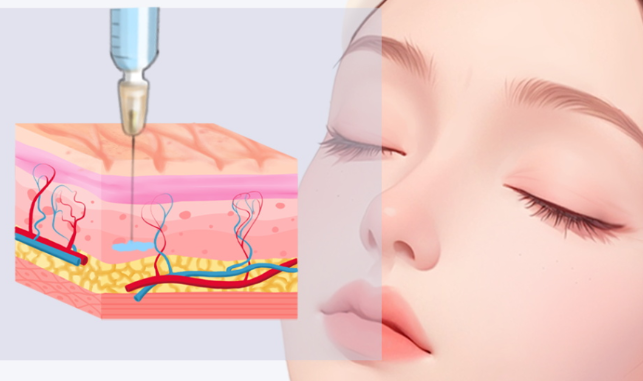
What does “DO face” in South Korea mean?
The term “DO face” originates from the Korean language and generally refers to facial cosmetic treatments received at Dermatology clinics or medical beauty centers in South Korea. These treatments include injections, phototherapy, and the use of threads. Injection treatments are particularly popular among tourists from Taiwan and China, as they require short treatment times produce immediate results, and allow for the adjustment of facial contours or the improvement of skin quality without the need for surgery.
Many people assume that “DO face treatment” is equivalent to getting Filler injections, but in fact, there are numerous types of injectable materials used in Dermatology in South Korea, and Filler is just one of them. Doctors will choose the most suitable combination of materials based on your specific needs—whether it’s for filling, anti-aging, whitening, or repair.
The role of Filler in South Korea’s “DO face” treatments
Filler is indeed the most commonly used material in South Korea’s “DO face” treatments, and it is primarily applied in the following two areas:
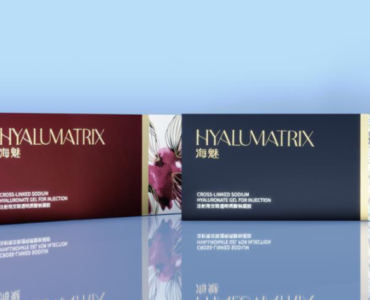
- Filling and shaping: Used for enhancing the chin, filling the Apple Zone, adjusting the nasal contour, and plumping the lips. Common brands used in South Korea include Restylane, Juvederm, and Ellanse; different brands vary in terms of texture, elasticity, and duration of effect.
- Glow injection: Filler is directly injected into the dermis to achieve deep hydration and a brighter complexion. This is a popular initial treatment for those coming to South Korea for cosmetic procedures, as it has a short recovery period and produces immediate results.
The effect of Filler injections usually lasts for 6 to 18 months, depending on the brand of the product and the area where it is injected. Once this period has passed, the Filler will be naturally metabolized by the body, and additional injections can be administered if necessary.
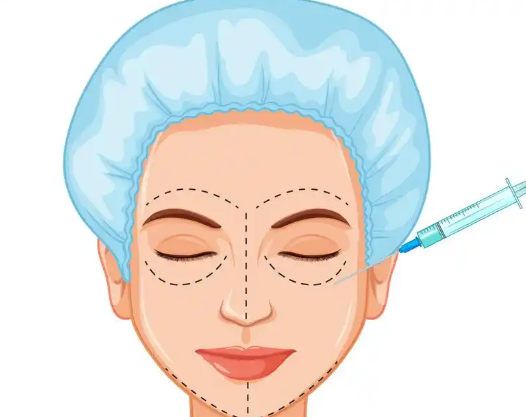
Besides Filler, what other materials are used in South Korea’s “DO face” treatments?
Autologous fat
Autologous fat grafting involves extracting a small amount of fat from one’s own body, usually from the abdomen or Thighs, purifying it, and then injecting it into areas of the face that are sunken, such as the temples, Apple Zone, and Forehead. Since it is one’s own fat, there is no risk of rejection, and the results last longer than those achieved with Filler—approximately 1 to 3 years, with some effects potentially lasting even longer. However, the downside is that the postoperative swelling period is slightly longer, and the rate of fat absorption varies from person to person.
PDO threads (Thread Lifting)
PDO threads are absorbable protein threads that, when inserted under the skin, can physically lift and tighten loose tissues while stimulating the regeneration of Collagen. They are commonly used for Lifting the facial contours, reducing Nasolabial Fold Correction, and tightening the neck. The effects last for approximately 1 to 2 years, making them ideal for those who do not wish to undergo surgery but still desire noticeable results. In South Korea, the cost ranges from approximately 500,000 South Korean won onwards.
Collagen injections (Juvelook series)
The popular Juvelook in South Korea in recent years contains Collagen and is available in various dosage forms.
- Black box: Primarily used for anti-aging and wrinkle removal on the face, it stimulates the production of collagen within the body.
- White Box: Designed specifically for fine lines around the eyes, provides a light filling effect
- Red Box: Post-sun repair formula for uneven skin pigmentation
- Blue Box: Improves the appearance of acne scars and is suitable for skin after acne treatment.
Salmon PDRN (Polydeoxyribonucleotides)
PDRN is an active ingredient extracted from salmon sperm. When injected into the skin, it promotes tissue repair and stimulates the production of Collagen, which is why this treatment is also known as “bulb muscle injection.” It is not a filler; its primary function is to improve skin quality, making it more radiant, delicate, and smooth. It is generally recommended to undergo 3 to 5 treatments in a course, with each treatment spaced 2 to 4 weeks apart. The cost ranges from approximately 150,000 Korean won per session.
How to choose the right materials for yourself?
In fact, the decision regarding which materials to use should not be up to you; instead, it is better to let the doctor assess these options during the consultation. Nevertheless, understanding the basic principles involved can help you communicate more effectively with your doctor.
- If you want to enhance the contours of your face (chin, nose bridge, Apple Zone), consider using Filler or autologous fat.
- Looking to Lifting and improving sagging skin? PDO threads are the answer.
- If you want to improve the quality of your skin, hydrate it and make it look brighter → Consider hyaluronic acid injections or PDRN.
- Looking to improve the appearance of acne scars and pigmentation? Consider Juvelook Blue Box, PDRN, or laser treatments.
- Looking to fight aging and reduce wrinkles? Try Juvelook’s black box technology and botulinum toxin treatments.
How to make an appointment with South Korea’s DO Face BeautsGO
By booking a consultation at a Dermatology clinic in South Korea through BeautsGO, you can directly view on the app detailed information about each clinic’s Filler treatments, price lists, and real user reviews. The app also offers a Chinese interface, so you don’t have to worry about language barriers. After downloading the BeautsGO app, simply enter “Filler” or the specific treatment name (such as Filler injection, PDRN, or Juvelook) in the search bar to find the listed clinics. Once you’ve selected a clinic, click “Book a Consultation”, fill in the required information, and submit it. The app’s Chinese-speaking customer service will assist you throughout the process, and after-sales support is also available, making it very user-friendly for those visiting South Korea for medical aesthetics treatments for the first time.
👉 Check out the institutions in South Korea that provide DO face injection treatments through BeautsGO →
Frequently Asked Questions
Q: Is the Filler used for face treatments in South Korea cheaper than that in Taiwan?
Overall, the cost of a single treatment with Filler from some local brands in South Korea is generally lower than that in Taiwan. However, for imported brands such as Juvederm and Restylane, the price difference may not be significant. The most important factors are still the skills of the doctor and the reputation of the clinic.
Q: How long does the effect of Filler last after injection?
Depending on the brand and the area treated, the effects generally last for 6 to 18 months. Deep fillers (such as those used for the chin) have a longer-lasting effect, while superficial hydrating treatments (like hyaluronic acid injections) usually require re-treatment every 3 to 6 months.
Q: Who is not suitable for receiving Filler injections?
It is not recommended for pregnant women, lactating mothers, or those who are allergic to the components of Filler. It is advisable to inform your doctor of your complete medical history before the procedure, and the doctor will assess the situation based on your actual condition.
Q: Is it necessary to use Filler for DO face treatments in South Korea?
Not necessarily. The DO face treatments offered by Dermatology clinics in South Korea are very diverse; depending on your specific needs, Filler may not be required at all. For example, to simply improve skin quality, you could opt for PDRN or laser treatments, while for Lifting purposes, PDO threads or ultrasound therapies might be more suitable. When consulting a doctor, be sure to clearly state your requirements so that they can recommend the most appropriate combination of treatments for you.