墨白
墨白 Rosacea, commonly known as “spotty skin,” is a chronic inflammatory condition of the facial skin that typically affects the central areas of the face (Forehead, nose, cheeks, chin). It is often mistaken for acne or skin allergies. Understanding its causes is essential for effective treatment and care.
The four main types of rosacea
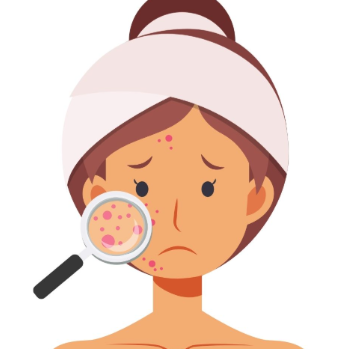
The first type is the erythematous telangiectatic type, characterized by persistent facial redness and visible microvessels; the second type is the papular pustular type, which presents with red papules and pustules; the third type is the nasal tumor type, involving hyperplasia and deformation of nasal tissue; the fourth type is the ocular type, causing symptoms such as dryness, itching, and congestion in the eyes.
Main causes: Genetic factors and vascular abnormalities
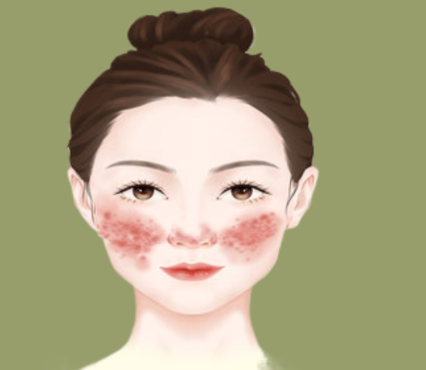
Rose acne is closely associated with genetic factors; individuals with a family history of this condition have a higher risk of developing it. Additionally, abnormalities in the function of facial microvessels, imbalances in the immune system, and excessive growth of Demodex mites on the skin surface are also considered important contributing factors.
Common Trigger Factors
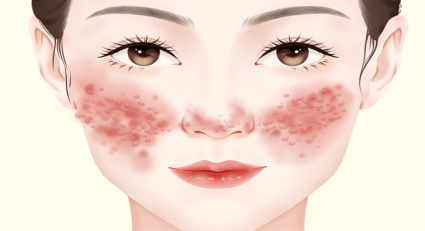
The symptoms of rosacea do not occur continuously but are triggered and exacerbated by certain factors.
- High-temperature environments: hot springs, saunas, prolonged exposure to the sun
- Stimulating foods: Spicy dishes, alcohol, hot beverages
- Emotional stress: tension, anxiety, and lack of sleep
- Improper skin care: Excessive exfoliation and the use of skincare products containing alcohol
- Medication factors: Long-term use of steroid-containing creams
How to improve and enhance daily skincare routines
For daily care, it is important to focus on gentle cleansing and moisturizing treatments, while avoiding the use of irritating skincare products. When going out, be sure to protect your skin from the sun by using physical sunscreens. If the symptoms become severe, it is recommended to seek medical attention; a Dermatology doctor may prescribe topical ointments such as metronidazole or ivermectin, or oral antibiotics for treatment.
Treatment of rosacea at dermatology institutions in South Korea
South Korean Dermatology institutions offer a variety of supplementary treatments for rosacea, including pulsed light therapy, dye laser Reduction surgery for dilated blood vessels, and botulinum toxin injections to reduce the frequency of facial flushing. It is recommended to schedule a consultation with a professional South Korean Dermatology specialist through the BeautsGO platform, where a personalized treatment plan will be developed after a thorough assessment by a physician.