墨白
墨白 Thinking about getting Breast Augmentation but not sure whether to choose Magic Drop or Manto? This is one of the most frequently asked questions during consultations. Both products are well-reputed imported implants on the market, but there are significant differences between them—the price difference is nearly double, and their textures, shapes, and design concepts also vary. This article clarifies these differences to help you make an informed decision.
What is the chip-free version of the Magic Drop implant?
Motiva is a brand of implants developed by the American company Establishment Labs and is very popular in Asian markets such as South Korea and Taiwan. Motiva offers several different series of products:
- Chipless version (SilkSurface series): The surface features nanofiber technology and does not contain an integrated RFID chip. It has a soft touch, and the cutouts can be made even smaller. The reference price starts at 4 million Korean won (approximately NT$90,000).
- Chip version (Round Ergonomix series): Equipped with a built-in micro wireless chip that allows tracking of information such as the prosthesis model, production date, and implant location, making follow-up examinations after surgery much more convenient. This version is approximately 1 million to 1.5 million Korean won more expensive than the chip-free version.
- The second-generation Ergonomix2: The latest model features improved dynamic simulation capabilities, but it is also the most expensive, ranging from approximately 6 million to 8 million Korean won.
What is the Mentor implant?
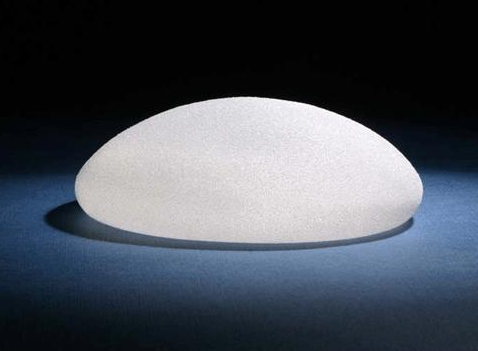
Manto is a established implant brand under Johnson & Johnson in the United States, with a long history of clinical use in Europe, America, and Asia. Its shell is manufactured using the “peach-textured biomimetic membrane” technology, while the filler consists of highly adhesive silicone gel that quickly returns to its original shape after being compressed. Main product lines:
- XTRA series: The basic model is available in both smooth and textured finishes, with prices starting from 2.5 million Korean won (approximately NT$55,000).
- MemoryGel series: Memory Gel, with a texture that closely resembles real breast tissue, providing a natural feel.
- Siltex series: The matte surface design reduces the risk of encapsulation and shrinkage.
- Aurora (Inspira) Starlight Series: The high-end model features better gel cohesion, and its price is comparable to that of the Chip Magic Drop version.
The chip-free version of Modi vs Mantuo: 5 key differences
1. Shell structure
The chip-free version of the Modi shell features a six-layer silicone structure, which is thicker than the three to four layers used in the Manto model, theoretically reducing the risk of rupture. The nano-textured surface design ensures better integration of the implant with the surrounding tissues, and clinical data show that the incidence of encapsulation contracture is approximately 1
The material of Manto’s outer shell is mature and stable; it has been used clinically for over 30 years, allowing for extensive data accumulation. The textured series also proves effective in reducing encapsulation shrinkage.
2. Touch feel and dynamic effects
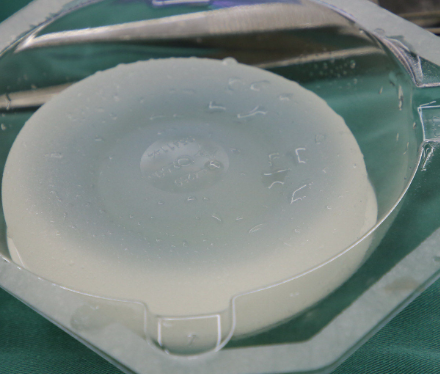
This difference in tactile experience is quite noticeable. The Magic Drop high-elasticity gel offers a highly realistic simulation effect: it takes on the shape of a droplet when standing and naturally spreads out when lying down, closely mimicking the dynamic changes of a real breast. The chip-free Silk Surface Magic Drop has a softer texture, and many people describe it as “just like the real thing.” The Manto also has a soft feel, and the MemoryGel series has a uniform texture without any distinct contours. However, its shape changes when lying down are not as noticeable as those of the Magic Drop, making it more suitable for those who prefer a “firmer” appearance.
3. Chassis Design
The base of the Magic Drop implant is relatively narrow, offering more selection options in terms of volume per centum core compared to the Manto implant. If you desire a more pronounced bulge, you can increase the centum core volume without widening the base of the implant, making it particularly suitable for individuals with smaller breast structures. The Manto implant offers a wide range of shapes, including round and droplet-shaped (anatomical) versions. The round shape is ideal for those who want fuller breasts, while the droplet-shaped implant more closely mimics the natural drooping appearance of the breasts, making it suitable for post-lactation or flat-chested individuals.
4. Size of the incision
The chip-free version of Magic Drop offers better flexibility, allowing for smaller incisions and resulting in finer scars. This is a significant advantage for those who are particularly concerned about incisions made under the armpits or the appearance of scars after surgery.
5. Cost Comparison
- Magic Drop chip-free version (silky surface): In South Korea, the reference price starts at 4 million Korean won (approximately NT$90,000).
- Magic Drop Chip Version: Starting from approximately 5 million to 5.5 million Korean won
- Manto Basic Model: Starting from approximately 2.5 million to 3.5 million Korean won (equivalent to around NT$55,000 to NT$78,000).
- Manto Aonora BYUL: The cost is similar to that of the Chip Magic Drops.
Which one to choose in which situation?
- If you have a limited budget but already have a decent foundation for your chest shape, the Manta Basic MemoryGel is an excellent choice – it offers great value for money and comes with extensive clinical data to support its effectiveness.
- Pursuing realistic dynamics and a smaller frame structure: The chip-free version of Magic Drop features a narrow base, excellent dynamic performance, and minimal incisions.
- If you want convenient post-treatment monitoring, consider the Magic Drop chip version; if you have a larger budget, plan to spend at least 1 million Korean won extra.
- After breastfeeding or if the breast shape is flatter: The Manto droplet design helps to restore fullness to the lower chest, ensuring a stable and defined shape.
- There is particular concern regarding capsule contraction: While the clinical data for Magic Drops are somewhat promising, the skill of the practitioner plays a crucial role.
The last point is very important: Implants are just one part of the procedure. The doctor’s technique in removing the old tissue, the way the implant cavity is prepared, and the post-operative care all have a much greater impact on the final outcome than the brand of the implant itself. When choosing an implant, it is far more worthwhile to spend time finding a doctor with proven technical skills.
Frequently Asked Questions
How can one determine the condition of the implant after the procedure using the chip-free version of Magic Drop?
For those who have not undergone chip implantation, post-operative follow-ups mainly rely on ultrasound or MRI to determine the position and integrity of the implants. It is recommended to undergo imaging examinations every 1 to 2 years; this is a routine requirement for all brands of implants.
Which one is safer, Modi or Mantuo?
Both have been certified by the FDA, ensuring their safety. Risks such as capsule contraction and implant rupture are primarily determined by the surgical procedure and postoperative care, and have little to do with the brand itself.
Does the implantation location affect the choice of prosthesis?
There is indeed a certain relationship. When the implant is placed beneath the pectoral muscles (in a dual-plane approach), the requirements for the shape of the prosthesis are relatively more flexible, and both brands are suitable for this application. However, when the implant is placed beneath the fascia or the glands, the flexibility of the prosthesis and the stability of its shell become more important, and in this regard, the Magic Drop brand has a slight advantage. Ultimately, it is still necessary for the doctor to make an assessment based on the individual patient’s chest structure.