墨白
墨白 A bulge in the middle of the nose ridge gives the side profile an hill-like appearance — what’s known as a hooked nose (매부리코). This condition is actually more common among East Asians than one might think, yet it often leads to dissatisfaction with one’s side profile due to its impact on facial proportions. In Taiwan, some people opt for local treatments, but an increasing number are turning to South Korea instead. Korean plastic surgeons have extensive clinical experience dealing with hooked noses, and their surgical approaches go far beyond simply “smoothing” the nose. This article breaks down several of the most common correction methods to give you a comprehensive understanding of the entire process.
What is a hump nose? Let’s first understand its structure.
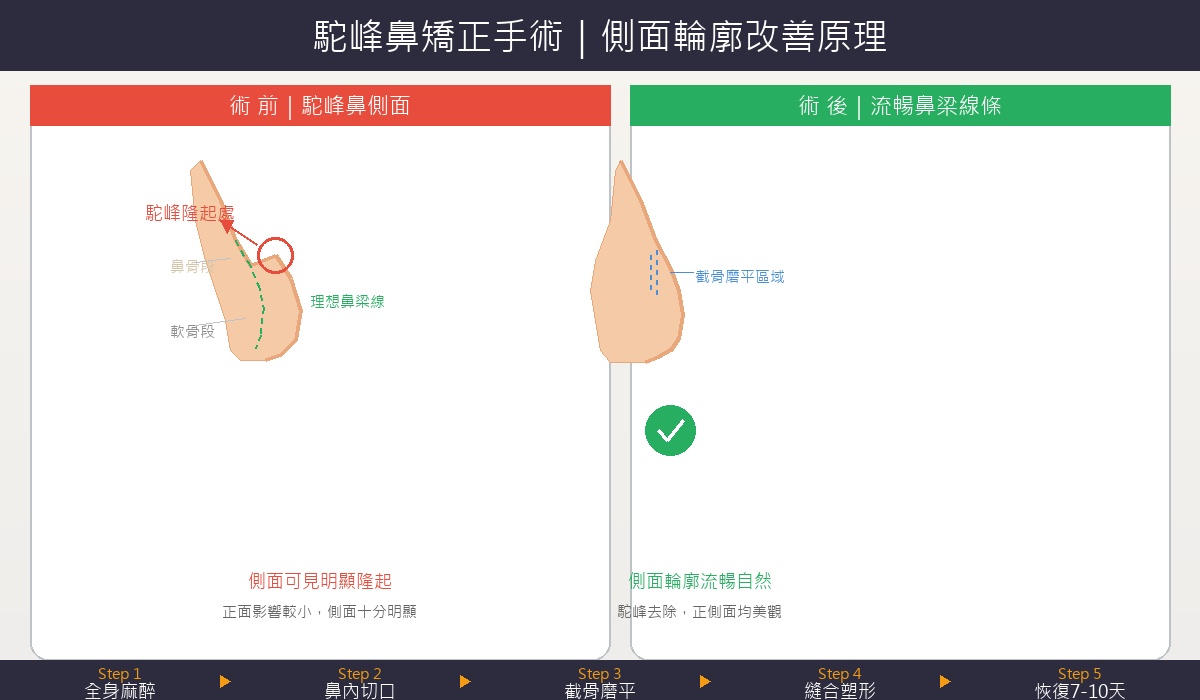
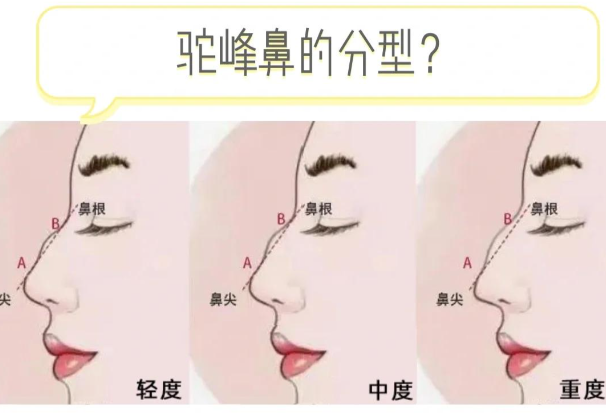
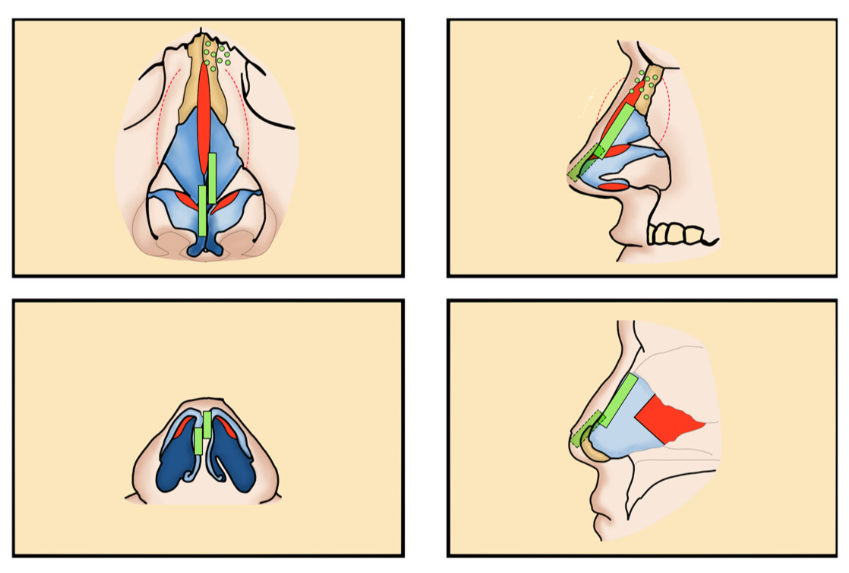
The protrusion in a hump nose is usually located slightly above the middle section of the bridge. It can be caused by bony protrusions, cartilaginous protrusions, or a combination of both. It’s not very noticeable when viewed from the front, but the difference becomes quite apparent at a 45-degree angle or from the side. Before surgery, the doctor will first determine what’s causing the protrusion, as the approaches for dealing with bone and cartilage are different—this assessment directly shapes the surgical plan.
Additionally, some people with a hump nose also have a wide nasal bridge, a drooping tip, or a deviated nasal septum (which can affect breathing). All of these factors need to be taken into account when planning surgery; otherwise, even if only the hump is addressed, the overall proportions will still appear awkward.
Primary surgical methods
Osteotomy – The Ideal Solution for Bony Hump Back
Bony hump structure can only be resolved through Osteotomy. During the surgery, the physician makes precise cuts in the nasal bone to remove the protruding bony areas, then readjusts the nasal framework to create a smoother side profile. It’s crucial to control the angle and depth of the Osteotomy—simply grinding away the excess bone without reshaping it may result in a flat and sagging nose, requiring high levels of technical skill.
Osteotomy is usually performed through an Open rhinoplasty approach (with a small incision made at the columella), which provides the surgeon with better visibility to assess the entire nasal structure at once. The procedure takes around 90 minutes and is carried out under local anesthesia combined with sedation. Patients can be discharged on the same day without the need for hospitalization.
Cartilage Reshaping and Transplantation – Ideal for Cartilaginous Horns of the Nose
If the nose hump is primarily made up of cartilage, an Osteotomy isn’t necessary—instead, it can be simply trimmed or reshaped. Doctors may use autologous cartilage (such as ear cartilage or nasal septum cartilage) for local augmentation to create a smoother contour for the nose bridge. Since the cartilage comes from the patient’s own body, it has excellent compatibility and is more stable than artificial materials.
This approach results in relatively less trauma and a faster recovery time. However, if there isn’t enough autologous cartilage, it may be necessary to use cartilage from behind the ear or ribs—make sure to clarify this with your doctor in advance.
Duckbill Rhinoplasty + Tip Refinement (Combined Procedure)
Simply removing the bump doesn’t guarantee harmony if the shape and height of the nose tip aren’t adjusted as well. After the surgery, it’s possible to notice that although the side view appears flat, the overall proportion of the nose still doesn’t seem balanced. A common practice in South Korea’s plastic surgery industry is to combine bump correction with nose tip reshaping in a single procedure—raising the nose tip and adjusting its angle at the same time to create a smooth line from the bridge to the tip.
The cost is higher than that of a single procedure, but the overall result is more impressive. If you’re already considering rhinoplasty, you can discuss this option with your surgeon together.
Overview of the surgical procedure
During the initial consultation, the doctor will use 3D CT scans or photographs to analyze the size and structural composition of the nose hump. Once the surgical plan is finalized, the actual procedure will be scheduled. The overall process is roughly as follows:
- Pre-operative assessment: Take front, side, and 45-degree photos; 3D analysis of bone and cartilage structure
- Anesthesia: Local anesthesia combined with sedation to ensure complete pain relief throughout the procedure
- Surgical procedure: Perform Osteotomy or cartilage reshaping according to the plan, lasting approximately 60–90 minutes
- Observation period: You can head home after 1–2 hours of observation at the clinic following the surgery
- Sutures are removed after 7–10 days: By this time, swelling has reduced by about 60
Post-surgery recovery: Here’s what actually happens
Swelling and bruising are quite noticeable in the first two weeks after surgery, with a splint being used to hold the nose in place. For most people, social-swelling reduces to a level where they can be seen in public after about 2 to 3 weeks. It takes 3 to 6 months for swelling to completely subside, and the final shape doesn’t stabilize until 1 year later.
You can wash your face and apply makeup 7 days after the procedure, but you should avoid direct impact and external pressure on the nose area for at least 1 month. It’s recommended to wait until 1 month has passed before resuming intense physical activities. One thing to keep in mind is that after an Osteotomy, the nasal bone needs time to heal again; if it’s subjected to impact before the bone has stabilized, it could affect the final shape of the nose. During this period, you should also stop wearing glasses, as the nose pads can put pressure on the nasal bone.
Cost reference
The cost of Revision rhinoplasty varies depending on individual factors, the complexity of the procedure, and the clinic.
- Simple hump removal (mild cartilaginous): Starting from NT$60,000
- Osteotomy (bony hump): Starting from NT$120,000
- Hump correction + nose tip reshaping (combined procedure): Starting from NT$180,000
The figures above are merely reference ranges; the actual cost will depend on individual circumstances and need to be confirmed after an assessment by a doctor. Going to Korea for medical treatment also incurs additional expenses such as flight tickets and accommodation. It is generally recommended to stay in Seoul for at least 7–10 days to facilitate post-operative follow-up and suture removal.
Frequently Asked Questions
Q: If my nose bridges aren’t very prominent, can I use Filler to fill them in?
For those minor cartilaginous protrusions, some doctors recommend using Filler to fill in the areas above and below the bump, giving the nose a smoother appearance visually. However, this doesn’t actually remove the hump—it’s just a visual trick that requires regular injections. For bony humps, there are no non-surgical solutions; Osteotomy is necessary to make a real difference.
Q: Can breathing be affected after an Osteotomy?
Osteotomy affects the external nasal framework and, under normal circumstances, does not impact the nasal passages. If breathing difficulties caused by a deviated nasal septum are already present before surgery, they can be corrected during the same procedure. In some cases, breathing even improves after the operation compared to before.
Q: Will the results of rhinoplasty reverse over time?
The bone that has been removed will not grow back, meaning the results of the surgery are essentially permanent. In the case of Filler injections, the effects will gradually fade over time as part of the natural metabolic process, requiring regular maintenance.
Q: How do Taiwanese handle language communication when going to Korea for surgery?
In Gangnam District, Seoul, there are several clinics that offer services in Chinese, with some even providing consultation via Traditional Chinese characters. It’s recommended to check in advance through medical intermediaries or booking platforms whether a clinic offers Chinese-speaking support before undergoing treatment, so as to avoid any misunderstandings that could affect the pre-operative consultations.
How to make an appointment with a plastic surgeon in South Korea?
If you’re considering getting Revision rhinoplasty in South Korea, trying to find a clinic on your own through the internet can be time-consuming and prone to mistakes. BeautsGO is currently the leading booking platform that aggregates medical aesthetics clinics in South Korea, featuring over 849 clinics and more than 1,457 specialist doctors, with a total of over 85,000 registered users.
The process is straightforward: search for the surgical procedures or clinics that interest you, choose a consultation or surgery date, and submit your request to wait for confirmation. It’s possible to schedule a plastic surgery consultation online before traveling to Korea, so you can determine the doctor’s treatment plan ahead of time and avoid the expense of making a trip just for a consultation. You can download BeautsGO from both the iOS App Store and Google Play, or use the web version for easy access.
Summary
Revision rhinoplasty for a hump nose isn’t an especially complicated procedure, but it requires the surgeon to have a clear understanding of the nasal structure—determining whether the protrusion is caused by bone or cartilage, how severe it is, and whether other issues need to be addressed simultaneously. Choosing a doctor with specialized experience in hump nose correction and ensuring all details are thoroughly discussed before surgery is the most crucial step. It’s far more useful to do thorough comparisons and examine real patient photos than to rely on advertisements.