墨白
墨白 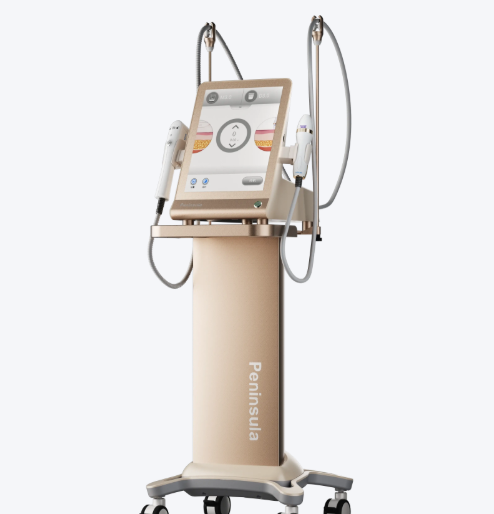
In recent years, the HIFU (High-Intensity Focused Ultrasound) treatment has become increasingly popular in the Taiwanese market, and many people consider it the preferred option for “non-surgical face lifting.” While the treatment itself is effective, there are several important things that need to be clarified before undergoing it.
These 10 tips are compiled based on practical experience and common issues encountered, rather than being a mere list of textbook-style precautions.
Advice 1: Ultrasound guns are not suitable for everyone
Ultrasound therapy is not recommended in the following cases: individuals with metal implants in the body (such as bone plates, dental braces, or pacemakers), pregnant or breastfeeding women, those who have recently had facial injuries or active infections, or those with severe skin conditions. Additionally, if you have undergone filler injections or thread lifting in the treatment area within the past month, you should inform your doctor accordingly, so that they can assess whether it is suitable for you.
Advice 2: Start preparing two weeks before the procedure.
It’s not enough just to make an appointment for the same day. Two weeks before the procedure, it’s important to avoid excessive sun exposure and to refrain from using products that can cause skin sensitivity, such as acids like retinol, fruit acids, or salicylic acid. If your skin has been unstable recently (for example, if you have experienced allergies or acne outbreaks), it’s recommended to wait until your skin has returned to normal before scheduling the treatment.
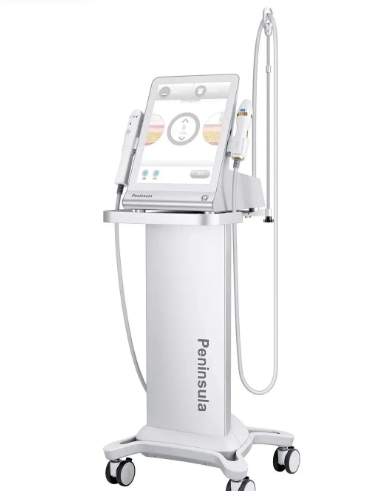
Advice number three: Results are not visible immediately.
The mechanism of the ultrasonic cannon is to cause the deeper tissues to reach a thermal coagulation point, thereby stimulating the regeneration of Collagen – this process takes time. Typically, it takes 2 to 3 months after the procedure to notice significant lifting effects, with the results reaching their peak around 6 months later. It is normal to feel no changes on the day of the procedure.
Advice No. 4: Pain is a real phenomenon.
The level of pain experienced during ultrasonic treatment varies depending on the affected area and an individual’s tolerance. Areas with prominent bones, such as the cheekbones or jawline, tend to be more sensitive to pain; therefore, reputable clinics will provide topical anesthetics for application beforehand. If you are particularly sensitive to pain, please let your practitioner know so that they can adjust the treatment method accordingly—there’s no need to endure unnecessary discomfort.
Tip 5: Swelling after the procedure is normal – don’t panic.
3 to 7 days after the procedure, mild swelling or a sense of tightness may occur on the face, and some people may experience temporary numbness. These are normal reactions resulting from the ultrasonic waves affecting the deeper layers of tissue and are not considered side effects. Mild redness usually subsides within 24 to 48 hours. If the swelling persists for more than 2 weeks or continues to worsen, it is necessary to return for a follow-up consultation.
Advice No. 6: Sun protection in the two weeks after the procedure is ten times more important than usual.
After the procedure, the skin’s barrier is temporarily weakened, reducing its resistance to ultraviolet rays. If the skin gets sunburned during this period, it will not only affect the results of the treatment but may also lead to pigmentation. When going outdoors, it is essential to use physical sun protection measures such as hats, masks, and sun umbrellas, in addition to applying sunscreen with an SPF of 30 or higher. Even when staying indoors near windows, caution is still necessary.
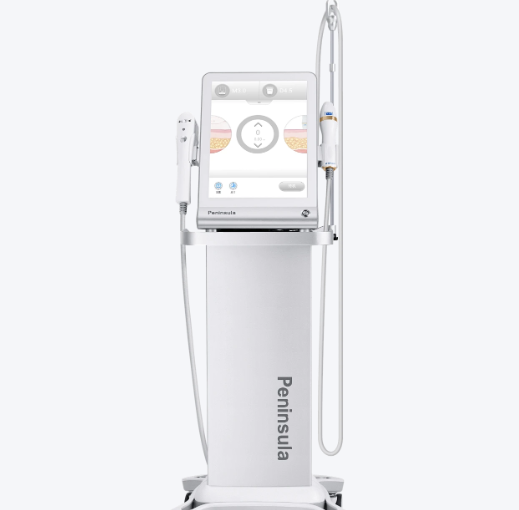
Advice No. 7: It’s not true that the more times you do it, the better it will be.
Each treatment with ultrasonic guns causes some degree of stimulation to the deeper tissues. If used too frequently, it may cause unnecessary damage to the fat layer, resulting in sunken facial features or unnatural contours. It is generally recommended to wait at least 6 months between treatments, and most people find that one treatment per year is sufficient.
Advice No. 8: Both the model of the device and the doctor’s experience are essential.
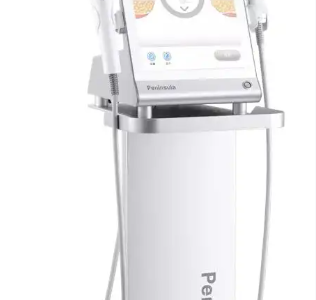
There are numerous brands and models on the market, and their effects can vary greatly. Original-certified devices ensure stable energy output and high-quality probes. However, equally important is the practitioner’s experience and expertise – determining the appropriate probe depth, deciding how many treatments to administer in each area, and knowing how to avoid nerves and blood vessels all require clinical judgment. Cheaper clinics often compromise on both of these aspects.
Advice No. 9: Some people may need to combine this treatment with other therapies.
Ultrasound devices are particularly effective at “lifting and tightening the facial contours.” However, if your issues include deep indentations, significant Nasolabial Fold Correction, or a substantial amount of lost fat, ultrasound alone may not be sufficient. In such cases, doctors may recommend combining it with Filler injections or other treatments for more comprehensive results. This is a standard approach, not intended to overcharge you.
Tip 10: Postoperative moisturization is far more important than you might think.
Many people only focus on sun protection after the procedure and forget about moisturizing. After ultrasonic treatment, the skin loses moisture more quickly, and dryness can prolong the recovery period as well as affect the quality of Collagen regeneration. One week after the procedure, it is essential to apply a medical beauty repair mask in the morning and evening; thereafter, continue to use a double-layer moisturizer daily. Following these steps properly will help ensure that the results last longer.
Ultrasound therapy is currently one of the non-invasive lifting treatments with relatively well-evidenced results. However, it’s not a miracle cure, and it’s not suitable for everyone. Doing your homework before the procedure, choosing the right clinic, and taking proper care after the treatment—these three steps are the key to getting the most out of your investment.