墨白
墨白 After getting Filler injections, the face becomes swollen and plump, losing its defined contours – this is what is commonly referred to as “face puffiness”. Many people have experienced this, but there’s no need to worry too much. First, understand the reasons behind it, and then take appropriate measures to address the issue.
Why does the face look puffy after getting Filler injections?
The main reasons for facial swelling include the following:
- Excessive dosage: When the amount injected at one time exceeds what the skin can tolerate, the filler causes the tissues to expand, resulting in excessive fullness.
- Incorrect positioning: Improper selection of the injection area or deviations in the injection layers can result in the loss of IPCHEA in the contours.
- The water-absorbing property of Filler: Filler itself has the ability to absorb water. After the procedure, the increased moisture in the tissues causes the face to appear more swollen in the short term.
- Multiple repeated injections: By injecting Filler into the same area repeatedly, the Filler adheres to the surrounding tissues, gradually accumulating over time.
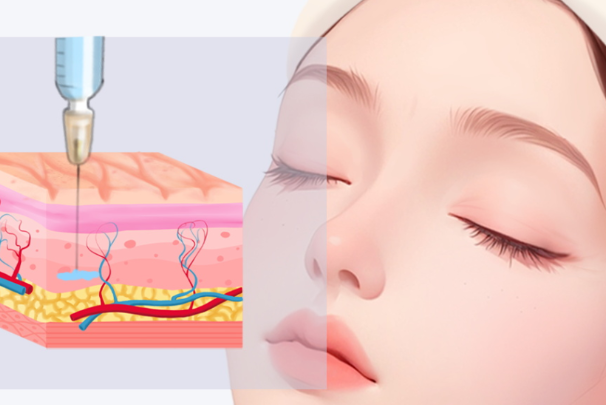
Let nature take its course in metabolism: the gentlest approach
Filler is not a permanent implant; it is naturally metabolized and broken down by the body over time, typically lasting between 6 and 18 months (depending on the type of Filler used). If the swelling is not severe and is merely an initial reaction after the procedure, it may be advisable to wait and observe first.
- Within 48 hours after the procedure: Apply ice packs for 15 minutes at a time, with 5-minute breaks between each application, to help reduce swelling.
- Elevating the head of the pillow while sleeping can help promote metabolic circulation.
- Avoid high-temperature environments such as saunas, hot springs, or intense physical exercise, as the thermal expansion effect can exacerbate the swelling.
Lytic enzymes: The most direct solution
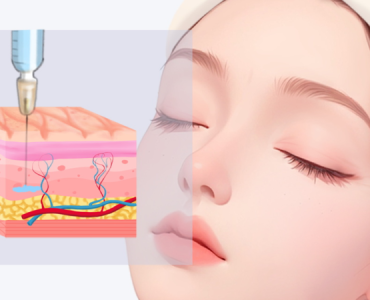
If the swelling is obvious and you can’t wait for the natural metabolism process to take effect, you may consider injecting Hyaluronidase to directly break down the excess Filler.
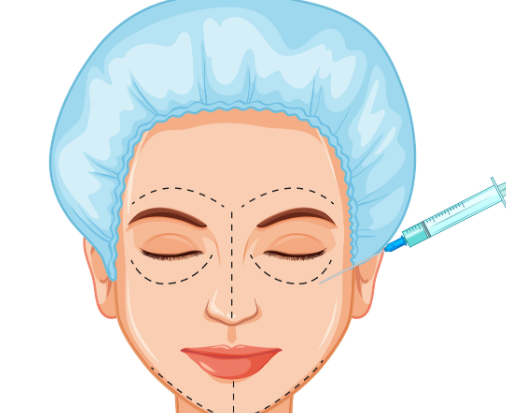
When using dissolving enzymes, the following points should be taken into consideration:
- Lyases can only break down Filler; they have no effect on hypertrophic scars or granulomas.
- For cross-linked Fillers such as Jovian Hyaluronic Acid, enzymes alone may only be able to remove approximately 70
- If the substance dissolves more than three times within a year, it may cause damage to the dermis, so it is essential to assess the situation carefully.
- It is normal to experience temporary indentations after the procedure, which will usually resolve on their own within about 1 month.
Recovery timeline after dissolution
After the dissolution enzyme is administered, the recovery process generally follows these steps:
- Day 1: The injection site shows mild redness and a slight swelling.
- Day 3: The swelling has reduced by about 30
- Day 7: The swelling has reduced by about 70
- On the 15th day: There may be temporary indentations, but the skin will feel firmer and more elastic.
- On the 30th day: The original appearance is largely restored, with natural contours.
The recovery speeds vary depending on individual constitutions.
The recovery speed varies from person to person, but the overall trend is as follows:
- For individuals aged 20 to 30 who are regular exercisers, it takes approximately 20 to 30 days to fully recover.
- For individuals aged 30 to 45 with a regular lifestyle: approximately every 30 to 40 days
- For those over 45 years old or who have been taking medication for a long time: approximately 40 to 60 days, as metabolism is slower in this case.
The swelling caused by injecting Filler can be reversed, so there’s no need to worry too much. The key is to seek evaluation from a qualified doctor to determine the exact cause of the swelling, and then decide whether to wait for it to be metabolized naturally or have it dissolved surgically – choosing the option that suits you best.