墨白
墨白 Last year, I went to several Korean dermatology clinics in the Jiangnan area with a friend. Among them, the TuneFace radiofrequency treatment stood out particularly. After her treatment, her face indeed looked tighter, but she never told me how much it cost. Later, I did some research and found that many people in Taiwan seek information about this treatment, but the online information on prices is quite scattered—some reports are vague, while others don’t provide any specific figures.
This article summarizes the price ranges for various TuneFace treatments and discusses the key factors that affect the cost, hoping to provide some reference for those considering this option.
What is TuneFace?
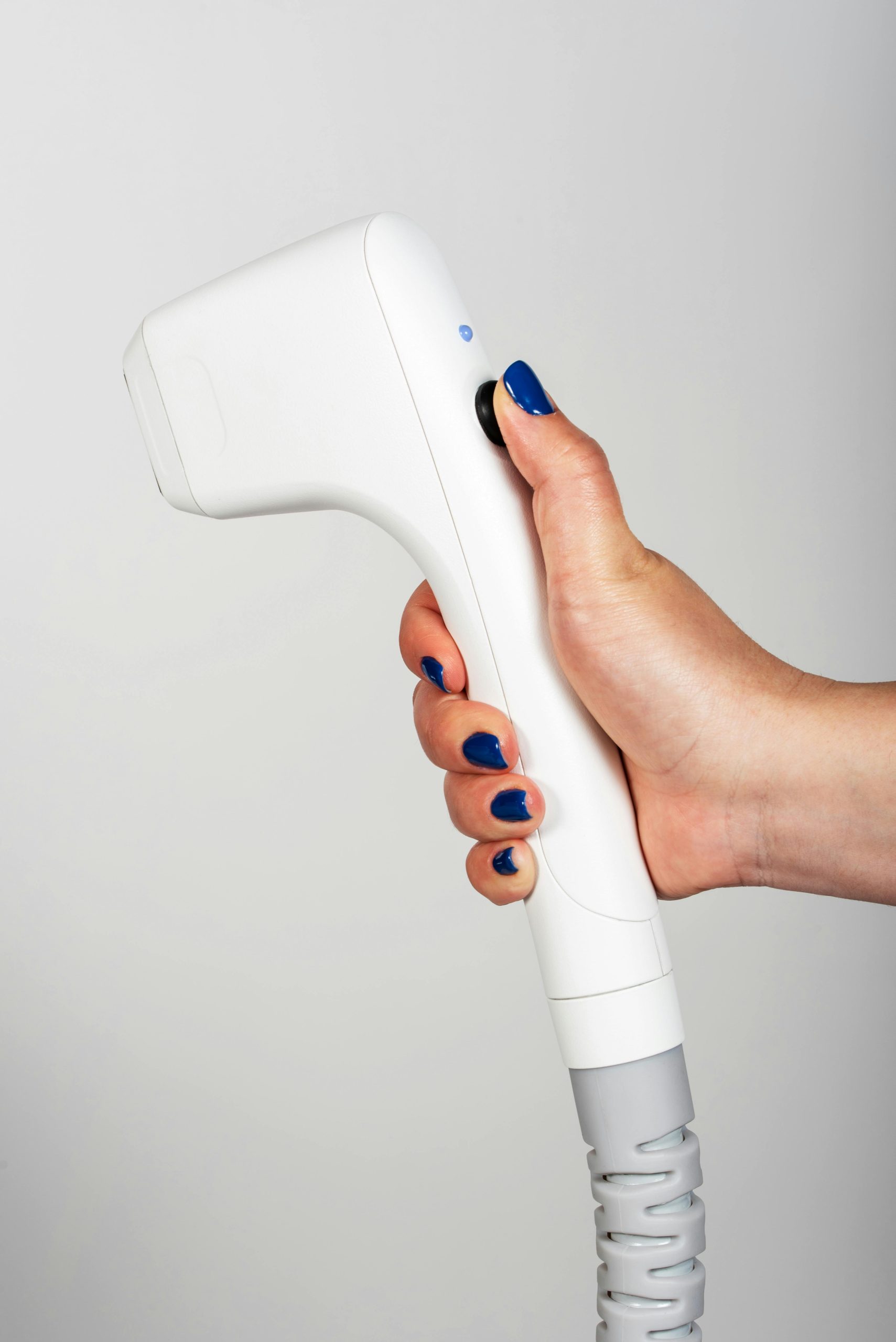
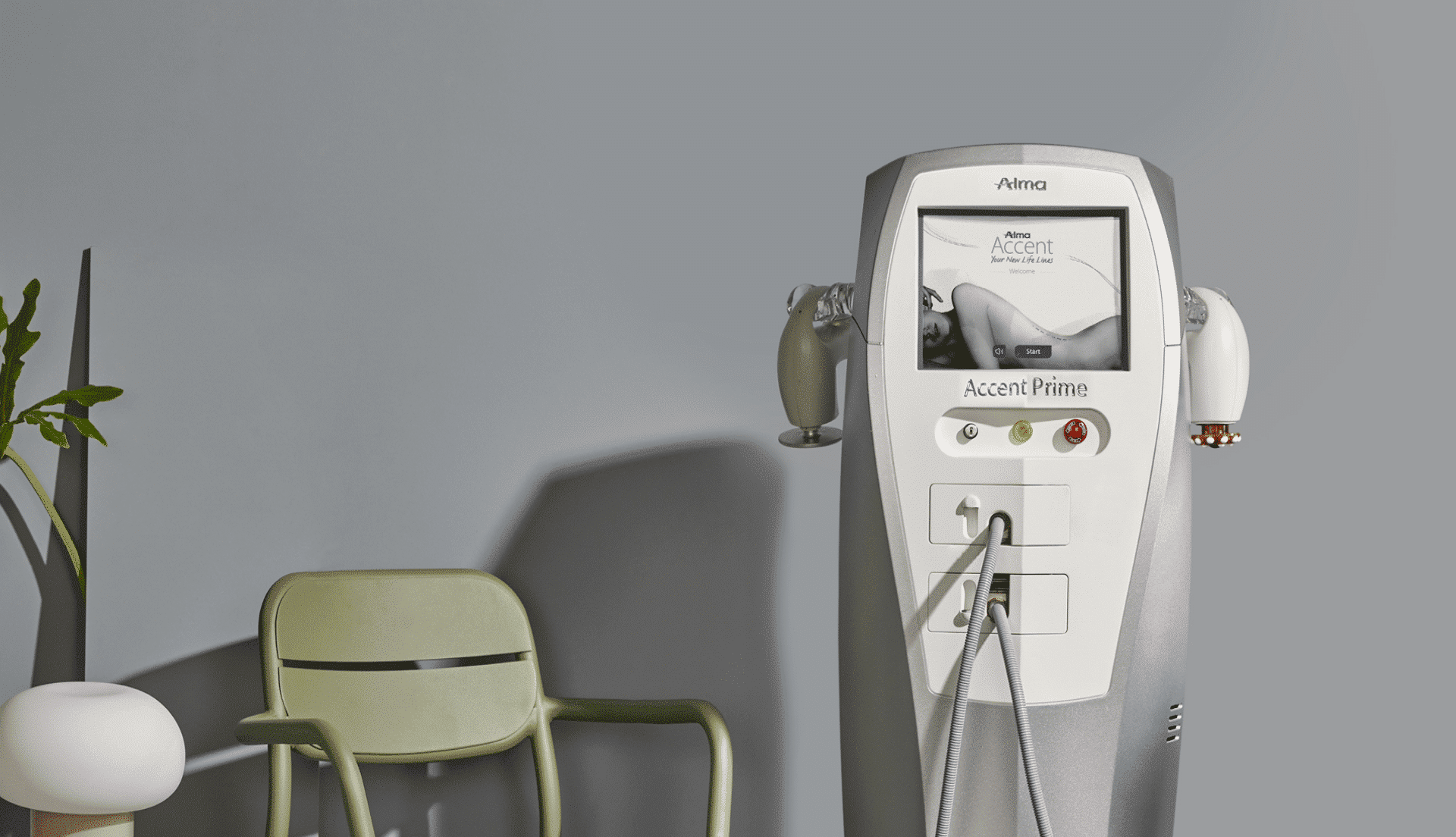
TuneFace is a multi-functional radiofrequency device developed by the Israeli company Alma, officially named Accent Prime. It is widely used in Korean dermatology clinics for facial lifting and contour tightening. The principle behind it is to use high-frequency radiofrequency energy at 40.68MHz to penetrate the dermis and fascia layers of the skin, stimulating collagen regeneration and gradually tightening the skin from within.
Different from Thermage, TuneFace causes less discomfort during treatment. A cooling system is also used to protect the surface skin, so the recovery time is short, and you can usually return to work immediately after the procedure. The effects usually become noticeable 2 to 4 weeks after treatment and reach their peak around 1 to 2 months later.
Summary of TuneFace treatment prices
Local Korean prices (converted to Taiwanese dollars for reference; 1 Korean won ≈ 0.023 Taiwanese dollars):
Basic single treatment (full face)
The cost ranges from 490,000 to 850,000 Korean won (approximately NT$11,200 to NT$19,500). The energy output is set between 40kJ and 60kJ, making it suitable for first-time users who want to observe the results before deciding whether to continue. Clinics in Seoul’s Jiangnan district tend to charge more, while in smaller cities, the cost is usually around 400,000 Korean won.
Full Option Lifting
From 690,000 to 1.2 million Korean won (approximately NT$15,800 to NT$27,600). This package usually includes treatments for multiple areas, such as the jawline, apple cheeks, eye contour, and neck, and it delivers more energy than the standard version. If the main issue is overall sagging or a lack of definition, this package will be more effective than treating the face individually.
Package Treatments
3-visit package: Approximately 1.29 million Korean won (starting from NT$29,600), averaging around NT$9,800 per visit—which is much cheaper than buying each treatment separately.
5-visit package (60kJ): Approximately 1.99 million Korean won (starting from NT$45,700), averaging around NT$9,100 per visit.
People over 40 years old or those with more noticeable skin sagging are generally advised to undergo more than 3 treatments to see stable results, making package purchases more cost-effective.
Additional Intensive Options (TuneLiner / TuneEyes)
For targeted areas such as the jawline or eye contour, these additional services cost approximately 100,000 to 300,000 Korean won (starting from NT$2,300 to NT$6,900). They can be added to a full-face treatment or booked separately.
Key Factors Affecting Prices
Even for the same TuneFace service, prices can vary by up to 500,000 Korean won depending on the clinic. Several factors influence the cost:
Location of the clinic
Beauty clinics in areas such as Gangnam and Cheongdam-dong generally charge more than those in Hongda and the outer suburbs of Seoul. Just due to the location difference, the same treatment can cost 20
Energy output (in kJ)
TuneFace charges based on the amount of energy delivered. The most common settings are 40 kJ and 60 kJ. Higher kJ levels mean more intense effects and greater stimulation of collagen, but the cost also increases accordingly. Some clinics advertise low prices, but their actual energy output may only be 20 kJ to 30 kJ, resulting in very limited effects. Don’t just rely on the advertised numbers.
Doctors’ qualifications
Korean skin treatment procedures are usually performed by licensed doctors, but there is a significant difference in the size of the clinics and the doctors’ years of experience. In some highly rated clinics, the chief doctor performs the treatments, which may cost more than those done by assistants. However, considering the quality of the service and safety, this can be a worthwhile consideration.
Additional services
Many clinics recommend additional treatments during consultations, such as LDM ultrasound therapy or post-treatment soothing care. These additional services usually cost around 100,000 to 300,000 Korean won per session. It’s better to try the basic treatment first and see the results before deciding whether to add these extra services.
Cost-effectiveness analysis: Is TuneFace worth it?
To put it simply, TuneFace in Korea is indeed much cheaper than similar radiofrequency treatments in Taiwan. In Taiwan, treatments of this level typically cost over NT$15,000 per session, and some clinics even charge NT$25,000 to NT$35,000. Compared to Korea’s starting price of NT$11,200, the difference is quite significant.
However, there are a few things to keep in mind:
Firstly, the actual cost must be recalculated when including the airfare and accommodation. If you fly specifically for just one treatment, it may not be economical. However, if you are already planning a trip to Korea, combining it with a treatment can offer cost advantages.
Secondly, TuneFace is more effective for people with less facial fat and thinner skin. If your cheeks already have a certain thickness, the results might not be as noticeable as expected. It is recommended to consult a doctor in advance to determine if this treatment is suitable for your skin type.
Thirdly, the effects of the treatment last for approximately 6 months to 1 year after the initial session. After that, the skin will continue to age naturally. To maintain the results long-term, regular follow-up appointments are necessary; you cannot expect permanent firmness after just one treatment.
Precautions after the procedure
On the day of the TuneFace treatment, you can wash your face and apply makeup as usual, which is much more convenient compared to many other laser treatments. Mild redness and warmth usually subside within 2 to 3 hours.
For the first week after the procedure, it is important to avoid hot baths, alcohol, excessive facial massage, and direct sunlight exposure. These precautions are necessary to allow collagen to regenerate properly and prevent external factors from interfering with the recovery process.
One thing that is often overlooked is that strenuous exercise should be avoided for 3 to 4 days after the treatment, as excessive sweating may affect the skin’s condition. People who are used to exercising daily will need to adjust their schedules accordingly.
Common questions
Q1: How much does a TuneFace treatment cost approximately?
In Korea, the cost of a single full-face treatment starts at around NT$11,200 and can range up to NT$27,600, depending on the energy output (40kJ or 60kJ), the location of the clinic, and whether additional services are purchased.
Q2: How often is it appropriate to use TuneFace?
Dermatologists generally recommend using it every 4 to 8 weeks, with a series of 3 treatments being the common baseline approach. For people over 40 years old or those with more severe skin laxity, it may take more than 5 treatments to see noticeable improvements.
Q3: Can pregnant women use TuneFace?
No. TuneFace is an RF treatment, so it is not suitable for pregnant women or people with pacemakers. Additionally, all metal jewelry must be removed before the treatment.
Q4: What are the differences between TuneFace and Thermage?
Both use RF technology to improve skin texture, but the main differences lie in the level of discomfort and the depth of the treatment effect. Thermage delivers more intense energy at greater depths, resulting in stronger results, but it also causes more pain and is more expensive (around NT$30,000 in Taiwan). TuneFace is milder and has a faster recovery time, making it ideal for those who prefer a less intense experience or are trying non-surgical lifting for the first time.
Before going to South Korea for this treatment, it is recommended to check the reviews of the clinic to ensure they use original equipment. Also, ask clearly about the specific energy levels used and the area to be treated to avoid any disappointment upon arrival.