墨白
墨白 There’s a popular belief on the internet that says, “Using ultrasonic treatments too often can cause your face to become sunken!” This has made many women who are considering ultrasonic treatments for anti-aging feel hesitant.
Is this statement true, or is it just an exaggerated rumor? This article provides a comprehensive analysis of the long-term safety of ultrasonic devices, helping you to accurately assess the associated risks.
Can ultrasound guns really cause the face to become sunken?
Direct answer: Under proper operation, ultrasonic devices will not cause facial indentation; however, improper use does pose this risk.
The root cause of the indentation is that the ultrasonic energy affects the subcutaneous fat layer, which should not be heated, causing local fat cells to be damaged and shrink, thereby resulting in the appearance of an indented area.
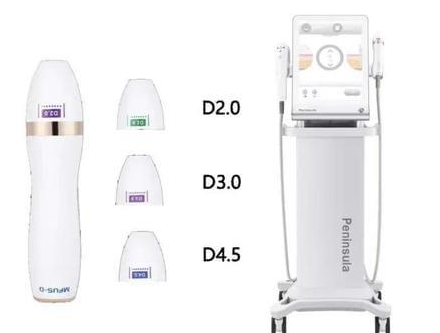
- Incorrect energy settings – The selected probe or energy level is incorrect, causing the ultrasonic waves to target the fat layer instead of the fascia layer.
- Excessive treatment frequency – Repeated treatments on the same area in a short period of time can cause cumulative thermal damage that exceeds the skin’s ability to repair itself.
Under what circumstances will indentations occur?
- Operations conducted in non-regulatory medical institutions: The equipment used in beauty salons often has unstable energy levels, and the operators lack medical training.
- People with naturally thin fat layers: For those seeking beauty treatments who already have less fat on their faces, the subcutaneous cushion area is smaller, leaving even less room for error.
- Multiple treatments within half a year: The collagen regeneration process induced by ultrasonic therapy takes 6 to 12 months; excessive frequent treatments can actually cause damage.
What are the potential side effects of using ultrasound devices for a long time?
| Types of side effects | Probability of occurrence | Reasons |
|---|---|---|
| Local fat atrophy (depression) | Low; it can increase when used improperly. | Energy accidentally damages the fat layer |
| Subcutaneous fibrosis | Extremely low | Repetitive treatments can lead to cumulative damage. |
| The skin barrier is damaged. | From low to medium | Excessive treatment undermines the body’s natural ability to heal itself. |
| Temporary redness and stinging sensations | Common (disappears within 72 hours) | Normal thermal effect response |
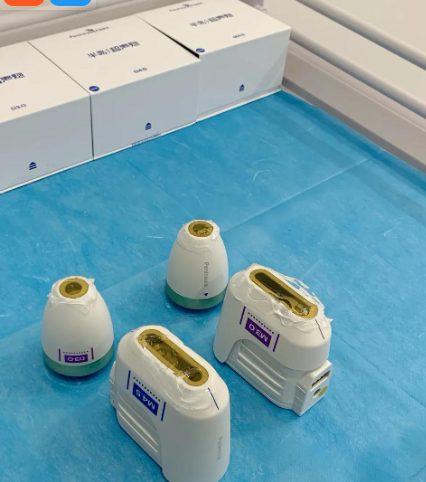
The key to safely using ultrasound devices: choosing the right frequency and device.
Frequency recommendations
According to medical recommendations, the interval between each ultrasonic treatment should be at least 6 to 12 months, and no more than 2 treatments should be performed within a year.
- The collagen regeneration period after ultrasonic treatment ranges from 3 to 6 months, with the optimal results typically occurring around 6 months.
- The subcutaneous tissue needs sufficient time to heal; undergoing another treatment too early is equivalent to continuing to apply heat to the “wound”.
- The effects peak and last for 8 to 15 months; it is only at this time that another treatment becomes meaningful.
Choosing the right institution is far more important than the frequency of treatments.
- Does the institution possess a legitimate medical license (not just a regular beauty salon)?
- Whether the operator is a trained physician or medical professional
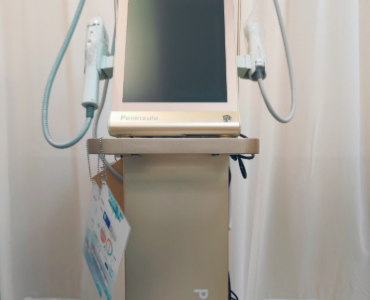
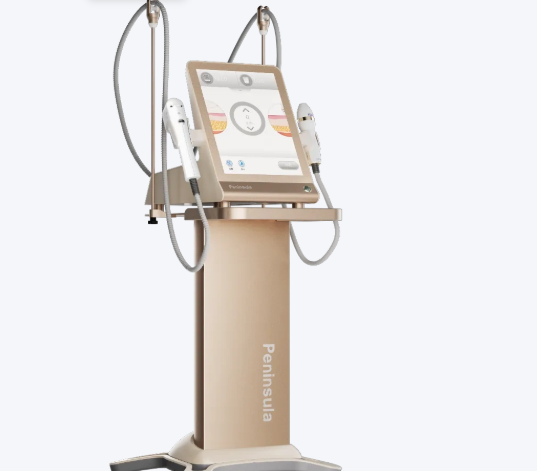
- Is the device used a certified medical version of HIFU?
- Is a pre-operative consultation and assessment necessary?
What should I do if it has already become sunken?
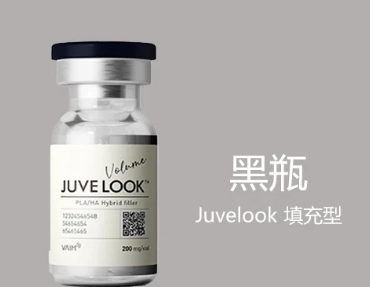
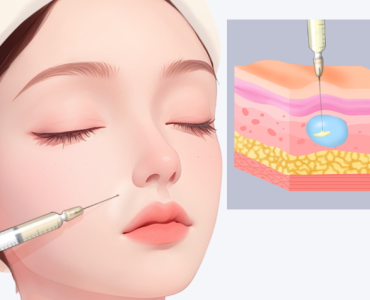
- Filler injection: Designed to address localized areas of depression, restoring lost volume and maintaining the effects for 6 to 12 months (starting from 8,000 yuan).
- Autologous fat transplantation: Suitable for larger areas of depression, providing more natural and long-lasting results (starting from 30,000 yuan).
- Suspend any phototherapy treatments: During the period of skin recession, allow the skin to rest fully to avoid further irritation.
Who needs to be particularly cautious?
- Those with very little fat in the face (such as those with a low BMI or visibly bony facial features): Lacking this protective layer increases the risk of accidental injury due to excessive energy exposure.
- For those who already exhibit obvious signs of sagging and aging: what is needed is to restore volume, rather than continuing with “lifting and tightening” treatments.
- For those who have undergone multiple treatments: The cumulative risks need to be assessed; it is recommended to switch to other anti-aging methods and alternate their use.
In summary: Can ultrasonic treatments cause the face to become sunken?
When used by legitimate institutions at appropriate frequencies and in the correct manner, ultrasonic devices represent a highly safe and non-invasive option for anti-aging treatments. Long-term use will not cause the face to become sunken or sagging.
Just remember: You can undergo this treatment at most twice a year. Choose reputable medical institutions and approach the results with a realistic attitude. Ultrasound therapy is a safe and reliable anti-aging tool – there’s no need to be overly fearful, but nor should you rely on it too much.