墨白
墨白 After undergoing Double eyelid surgery, one may find that an extra “fleshy strip” covers their eyes, making them look listless, with a blurred gaze, and even more swollen than before the procedure. The issue of “fleshy strips after Double eyelid surgery” is mentioned quite frequently in post-operative complaints, and many people struggle with it for several years before finally deciding to seek correction. This article explains the causes of this problem and outlines the available solutions in detail.
What is the “fleshy appearance” associated with Double eyelid surgery? How can it be identified?
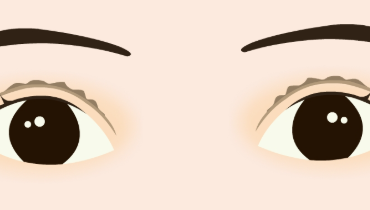
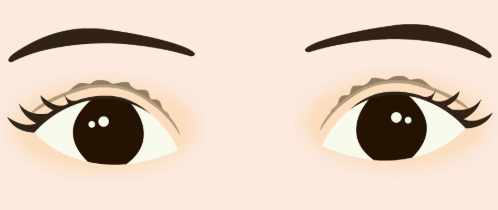
The so-called “fleshy appearance” refers to the area beneath the Double eyelid surgery fold, which appears thick and bulky to the eye or upon touch, as if a strip of flesh is pressing on the eyelid, creating an unnatural bulge. The external characteristics include:
- Below the double eyelid lines, there is a noticeable “bulging” effect.
- When the eyes are opened, the folds on the upper eyelids appear stiff and unnatural.
- Compared with the natural Double eyelid surgery of my friends, it looks “bulgy”.
- When squinting or looking at photos, these “fleshy strips” become very noticeable.
Pseudo-flesh strips vs. real flesh strips – make sure you understand the difference before deciding what to do next.
Pseudolipomas (during the postoperative recovery period)
The appearance of “striae” within 6 months after the procedure is often due to “pseudo-striae,” which are temporary swellings caused by tissue edema or poor blood circulation resulting from the surgery. In such cases:
- When pressed gently with the hand, the tissue feels soft and elastic.
- In the morning, the swelling is more noticeable than in the afternoon, due to the effects of gravity and sleeping positions.
- It will gradually subside over time (usually within 3 to 6 months).
It is not recommended to rush into repairing pseudocollagen bands; it is better to wait for 6 months and adopt conservative treatments such as applying heat compresses, taking oral medications that promote blood circulation and remove blood stasis (as prescribed by a doctor), and keeping the affected area soaked in lightly salted water.
Genuine flesh strips (require repair)
More than 6 months after the procedure, if the appearance of the scar tissue remains unchanged, even becoming more rigid upon pressure, this is referred to as “true scar tissue.” The common causes for this are:
- The design is too wide: The width of the double eyelids in this design exceeds what an individual’s eyes can comfortably accommodate; once the skin is smoothed out, the area bulges forward.
- Inadequate tissue removal: Structures such as the orbicularis oculi muscle and orbital septum fat that should be removed during the procedure were not adequately addressed.
- Excessive removal by the tissue can actually lead to impaired blood circulation and localized fibrosis.
- Surgical technique issues: Inaccurate positioning of the stitches leads to abnormal accumulation of tissue layers.
- Scar tissue formation: Some individuals are prone to the development of Scar tissue after suturing or incision.
What are the methods available for correcting the excess flesh in the area of the Double eyelid surgery?
1. Revision Surgery (most effective)
For true lip folds, Revision Surgery is the fundamental solution. Depending on the cause of the lip folds, the possible treatment approaches include:
- Widening-to-narrowing repair: Redesign the position of the double eyelid folds to reduce their width, separate any existing adhesions, and eliminate the protruding effect caused by excessive width.
- Additional removal of fat from the orbital septum/brow muscles: In cases where insufficient tissue removal has occurred, additional treatments are carried out during the repair process.
- Scar revision: For the excess tissue caused by Scar tissue, the excessive tissue is removed and the wound is carefully sutured.
- Release adhesions: Remove improper tissue adhesions and re-establish the correct hierarchical structure.
The technical complexity of Revision Surgery is higher than that of the initial procedure; it is recommended to consult an ophthalmic plastic surgeon with extensive experience in such cases.
2. Injection therapy (auxiliary method)
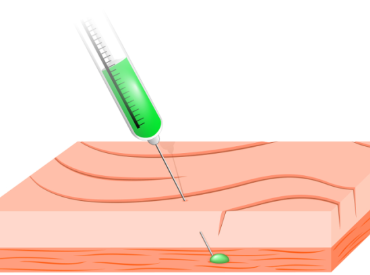
Some minor signs of lumpy areas can be alleviated through the following injection methods:
- Steroid injections: For cases of Scar tissue, these injections help inhibit excessive scar growth.
- 5-Fu injection: When used in combination with steroids, it helps to soften hard fibrous tissues.
Injection therapy is effective for mild scar-like hypertrophic scars, but it has limited efficacy in addressing fundamental issues such as structural abnormalities or inadequate removal of excess tissue.
3. Laser treatment
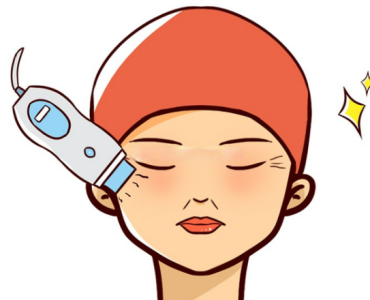
IPCHEA lasers or CO₂ lasers can help improve the texture of scars and make the skin surface smoother, but they cannot fundamentally solve the problem of the three-dimensional protrusion of these scar tissues. Therefore, they are usually used as post-operative adjunctive treatments.
When is the right time to undergo Double eyelid surgery?
There is no universal answer to this question; it needs to be determined based on an individual’s recovery progress.
- Within 3 months after the procedure: In principle, it is not recommended to perform any repairs, as the tissues are still not stable. Attempting repairs too early may exacerbate the issues.
- 3 to 6 months after the procedure: If the appearance of the treated areas has stabilized significantly (they feel firm when pressed and show little change throughout the day), you can consult a specialist for an evaluation.
- More than 6 months after the procedure: The tissue has stabilized significantly, making it an appropriate time to conduct a recovery assessment.
The specific timing must follow the doctor’s advice and vary from person to person; there is no fixed formula to follow.
Why is South Korea recommended for Double eyelid surgery and repair?
South Korea is one of the regions in the world with the highest concentration of expertise in eye plastic surgery. It boasts both a large number of doctors specialized in eye reconstruction procedures and a wealth of accumulated clinical experience. When dealing with complex cases such as “double eyelid repair,” South Korean doctors generally possess the following capabilities:
- In-depth understanding of the anatomical differences in the eye structures among different East Asian ethnic groups
- With a wealth of successful restoration cases, we have established fixed solutions for common types of failures.
- The aesthetic preference for “naturalness” means that people dislike creating overly exaggerated effects.
For those considering cosmetic procedures in South Korea, they can use the BeautsGO platform to search for eye plastic surgery and repair options. On this platform, patients can view case studies and professional backgrounds of doctors from various clinics. Additionally, Chinese-language consultation services are available, ensuring clear communication even without knowledge of Korean.
Reference for repair costs
- Revision Surgery in South Korea: Starting from 9.15 million Korean won (the cost may vary depending on the complexity of the procedure; more complex cases may incur higher fees).
- Revision Surgery in Taiwan: Starting from NT$30,000
- Adjuvant injection therapy: Starting from NT$3,000 per session.
Frequently Asked Questions
If the Double eyelid surgery results in a visible strip of excess tissue, is it necessary to undergo another operation to correct it?
Not necessarily. In the case of pseudolipomas (within 6 months after the procedure), it is possible to adopt a conservative approach and wait. For true lipomas, if the condition is mild, injection therapy may be helpful; however, if the symptoms are more severe or there are structural issues, surgical correction will be required.
Is Revision Surgery more difficult than the initial procedure?
Indeed, Revision Surgery is usually more complex than the initial procedure. The reasons are as follows: Adherent tissues need to be carefully dissected, and re-establishing the original layers after they have been disrupted is a much more challenging task. Moreover, scar tissue is far less flexible than normal tissue, making it more difficult to suture properly. It is essential to seek out an ophthalmic plastic surgeon with extensive experience in performing Revision Surgery.
How long does it usually take for the excess tissue from Double eyelid surgery to completely disappear?
Pseudocellulite usually subsides within 3 to 6 months, at the longest within a year. If it is still visible after one year, it is almost certainly true cellulite, and a doctor will need to assess the situation before deciding on the appropriate treatment method.
It’s said online that applying heat packs can help reduce the appearance of stretch marks. Is it really effective?
It can provide some auxiliary benefits for pseudo-cicatricial strips (those caused by edema during the recovery period), as it can promote local blood circulation and accelerate the reduction of edema. However, its effect on true-cicatricial strips (those resulting from Scar tissue formation or underlying tissue issues) is limited, and heat application cannot replace medical treatment.
How can one prevent the visible scar tissue resulting from Double eyelid surgery?
Choosing the right doctor is the most crucial preventive measure: opt for a specialist with extensive experience in eye plastic surgery and have detailed discussions about the desired width before the procedure. Avoid blindly pursuing an “extremely wide” result. Additionally, strictly following the doctor’s instructions after the surgery, such as applying cold compresses and avoiding rubbing your eyes, can also reduce the risk of developing scar tissue.