墨白
墨白 After undergoing the ultrasonic treatment, many people suddenly realize in front of the mirror that their faces have become “square-shaped” – this is certainly the moment when they start to regret having chosen this procedure. They went through the whole process with the intention of getting better results, but instead, their faces ended up looking like tender beef cut into small cubes. What on earth is going on? How long will it take for the swelling to subside?
Let me state the conclusion first: In most cases, the swelling will subside within 3 to 14 days, and the visual effects associated with a squared face will gradually return to normal within 1 to 2 weeks. However, since everyone’s physical constitution is different, the recovery times can vary significantly. Understanding the underlying reasons for these differences will help you cope with this period more calmly.
Why does my face swell into a square shape after getting ultrasonic facial treatment?
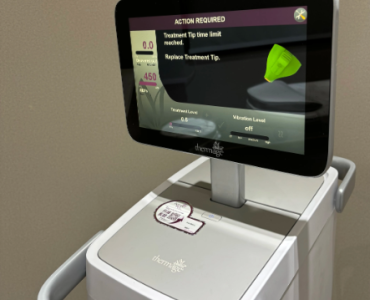
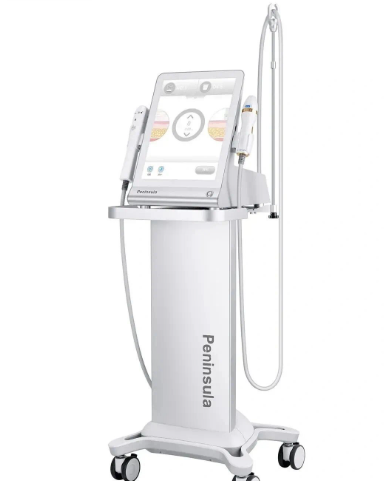
The principle of HIFU (High-Intensity Focused Ultrasound) is to precisely focus ultrasonic energy at three specific depths beneath the skin: the dermis (3mm), the subcutaneous fat layer (4.5mm), and the SMAS fascia layer (4.5mm). When this energy reaches its target layers, it instantly generates temperatures ranging from 65 to 70 degrees Celsius, triggering a localized thermal damage response.
When the body detects that a tissue has been subjected to heat stimulation, the immune system immediately activates its repair mechanisms: blood vessels dilate, white blood cells gather, and tissue fluid leaks out—this is the essence of swelling. The lower jawline and both cheeks are areas where this process occurs more intensely, resulting in the most noticeable swelling. When viewed from the front, this causes the face to appear “square,” and the contours of the chin become temporarily indistinct.
Another reason is the temporary obstruction of lymphatic circulation. After the effect of ultrasonic energy, it takes several days for the local lymphatic vessels to return to normal function. As a result, the elimination of metabolic waste and interstitial fluid slows down, leading to persistent swelling.
How many stages are there in the swelling process? How long does each stage last?
The swelling after ultrasonic treatment generally goes through several stages. Understanding the characteristics of each stage can help you determine whether your recovery is progressing normally.
First phase: Immediately after the procedure up to 24 hours later
This is the period when the swelling is most noticeable. Immediately after the procedure, the face usually starts to swell, especially around the jawline and cheeks. Some people may also experience a sensation of heat, tightness, or mild tingling, and there might be slight tenderness upon touch. These are all normal acute-phase reactions, so there’s no need to worry.
Phase 2: Days 2 to 3
The swelling usually reaches its peak on the second day; in some cases where the treatment involves higher doses of energy or more frequent sessions, the swelling becomes most noticeable on the third day. During this period, the face may appear particularly “square” in shape. It is recommended to stay at home and rest if you have no important engagements scheduled.
Third phase: Days 4 to 7
Starting from the fourth day, the swelling in most people will begin to subside significantly. Those with a strong constitution and fast metabolism can already go out normally at this stage, and their makeup can effectively cover up any remaining signs of swelling. However, if you still feel that your face looks slightly larger than usual when looking in the mirror, that’s completely normal – your facial contours are still taking some time to return to their original shape.
Phase 4: Days 7 to 14
At this stage, the swelling has largely subsided, and the facial contours begin to return to their original shape. Some people may start to notice the lifting effects of the ultrasonic treatment at this time, as the firming effect brought about by the newly generated Collagen becomes more apparent once the swelling has faded.
Phase 5: Days 14 to 30
For those with more sensitive constitutions, those who have a higher energy metabolism, or those who have undergone high-density filler injections across the entire face, mild swelling may persist until the third or even fourth week. Although this is a less common occurrence, it does not necessarily indicate a problem; simply continuing with proper care is sufficient.
What factors can cause the swelling to last for a longer time?
When it comes to using ultrasound devices for similar purposes, why do some people see results within just 3 days, while others still have noticeable swelling after two weeks? There are several factors that deserve attention here:
Applying energy and density
The higher the energy setting and the more frequent the treatments, the greater the stimulation to the tissue, and consequently, the longer the swelling will last. Some clinics, in pursuit of immediate results, use higher levels of energy, resulting in more noticeable swelling after the procedure.
Individual physical constitution and metabolic rate
Young people have a faster metabolism and usually recover more quickly. For those who are older or have a slower lymphatic circulation, the recovery time will be relatively longer. People who tend to get swollen easily (for example, their eyelids swell when they wake up in the morning) should also be prepared for the fact that the swelling after ultrasonic treatment may be more noticeable than in others.
Diet and daily routine after the procedure
After the procedure, consuming overly salty foods, drinking too little water, staying up late, and drinking alcohol can all exacerbate or prolong the swelling. Excessive sodium intake leads to an increase in extracellular fluid, making it harder for the swelling to subside; alcohol itself has the effect of dilating blood vessels and can also disrupt the normal metabolism of tissue fluids.
Was the postoperative care adequate?
Some people go for facial treatments or soak in hot springs on the very same day they have the procedure, or they can’t help but keep rubbing the swollen areas. These behaviors can slow down the recovery process and even lead to more serious problems.
The fastest way to reduce swelling: Postoperative care recommended by doctors
Immediately after the procedure: Apply cold compresses to reduce the temperature.
On the day after undergoing ultrasonic treatment, the most effective way to relieve discomfort is to apply cold compresses. Prepare a clean ice pack or medical cold compress pad, and place it over the swollen area after covering it with a thin layer of cloth. Apply the compress for 15 to 20 minutes each time, and you can repeat this 2 to 3 times a day. Be careful not to place the ice directly on the skin to avoid frostbite.
Cold compresses can help constrict dilated blood vessels, reduce the leakage of tissue fluid, and effectively alleviate swelling. Especially within the first 24 hours after the procedure, cold compresses are the most direct and effective method.
From the second day after the procedure: Stop using cold compresses and switch to moisturizing treatments instead.
Once the acute phase has passed (usually after the second day), there is no need to continue with cold compresses. At this stage, the skin needs hydration and moisture to help restore its damaged barrier function. You can use mild moisturizers containing ingredients such as Filler, sage, or ceramides, and avoid products with irritating components like fruit acids, salicylic acid, or retinol.
In terms of diet
Within one week after the procedure, pay attention to your diet:
- Drink plenty of water to aid in lymphatic metabolism. It is recommended to consume at least 2000 milliliters of water daily.
- Reduce the intake of foods with strong flavors and high sodium content, such as instant noodles, pickled foods, and fast food.
- Avoid drinking alcohol, as it can exacerbate blood vessel dilation and swelling.
- Avoid spicy and stimulating foods such as spicy hot pots and ginger duck.
- It’s beneficial to consume more foods rich in vitamin C, such as kiwifruit and oranges, as they help with collagen synthesis and wound healing.
Prohibited Activities
The following activities should be completely avoided for at least one week after the procedure:
- Soaking in hot springs, taking saunas, or having hot baths (high temperatures can accelerate blood vessel dilation, making the swelling even more severe).
- High-intensity exercise (intense physical activity can accelerate blood flow, which is not conducive to reducing swelling)
- Rubbing or pressing the swollen area with your hands may cause damage to the tissues that are still in the process of healing.
- Undergoing other cosmetic procedures (such as getting Filler injections or receiving facial massages)
- Prolonged exposure to the sun (the skin’s defense mechanisms are weakened after the procedure, making it easier to get sunburned)
If it has been swollen for more than two weeks, is that normal? When should I seek medical attention?
In most cases, the swelling will completely subside within two weeks. If the swelling persists after two weeks, or if any of the following symptoms occur, it is recommended to return for a follow-up consultation so that a doctor can assess the situation.
- The area of swelling continued to expand rather than gradually decreasing in size.
- If the swollen area shows obvious redness, heat, or signs of pus formation (indicating a possible infection), it is necessary to seek medical attention promptly.
- There are obvious indentations on the face or localized hard lumps (which may be due to fat damage).
- There is a noticeable asymmetry in the face (which was not present before).
- If the numbness persists for more than two weeks without improvement (in rare cases, it may be related to nerve irritation), it is necessary to seek medical attention.
These situations are not common, but if they do occur, it’s important not to delay. The right thing to do is to return to the clinic where the procedure was performed and let the doctor assess the situation.
Frequently Asked Questions
Q: After using the ultrasonic device, my face became more square-shaped. Can my facial contours return to their original shape?
Almost all cases of a “square face” resulting from swelling after ultrasonic treatment will return to their original facial contours once the swelling subsides. This square shape is merely a temporary effect caused by edema and does not represent a permanent change in facial structure; there is no need to worry excessively.
Q: Can I wear makeup when my face is swollen?
It is not recommended to apply makeup within 24 hours after the procedure, especially foundation and concealer, which require pressure when applied. If there is no skin damage or obvious redness after 24 hours, you can apply light makeup, but be sure to be very gentle when removing it to avoid rough friction.
Q: Can lymphatic drainage massage be performed after ultrasonic treatment to help reduce swelling?
It is not recommended to massage your face on your own within one week after the procedure. Although lymphatic drainage massage can theoretically help reduce swelling, the tissues are still in the process of recovery after ultrasonic treatment, and improper pressure may cause additional irritation. If necessary, it is advisable to wait until one week has passed and then have a licensed medical professional assess whether lymphatic drainage massage is suitable for you.
Q: How often is it best to undergo ultrasonic treatment?
It is generally recommended to undergo the procedure every 6 months to 1 year. Performing it too frequently not only fails to double the effectiveness but may also lead to excessive heat damage and increase the risk of fat damage. The specific frequency should still be determined based on an individual’s facial condition and the recommendations of a doctor.
In summary
In most cases, the swelling of the face after ultrasonic treatment results from a normal postoperative reaction. It is neither due to any procedural errors nor indicates a change in facial shape. With proper postoperative care, most people will return to their normal appearance within 1 to 2 weeks.
The most important things to remember: apply cold compresses properly, strictly follow the dietary restrictions, avoid high-temperature environments, and never massage your face. Only after the recovery period is over and the swelling has subsided can you truly assess the effectiveness of the ultrasonic treatment.
If you have any questions about the cost of ultrasonic therapy, the fees for such treatments at clinics in South Korea generally start from tens of thousands of Korean won and vary depending on the treatment area and the depth of the treatment. It is recommended that you inquire about the detailed prices at the clinic before making a decision.