墨白
墨白 I just had Filler injected into my Nasolabial Fold Correction area. I originally thought it would make the lines less noticeable, but a few days later, my face looked “swollen” – the areas around my nostrils were puffy, and my whole face appeared flatter. This condition is known as “muffinization.” It is a relatively common issue after Nasolabial Fold Correction, but many people don’t know whether this is a normal reaction or if there is a problem, nor do they know whether it can be corrected. This article explains the reasons behind this phenomenon and provides solutions.
What exactly causes the “mushy” effect after Nasolabial Fold Correction?
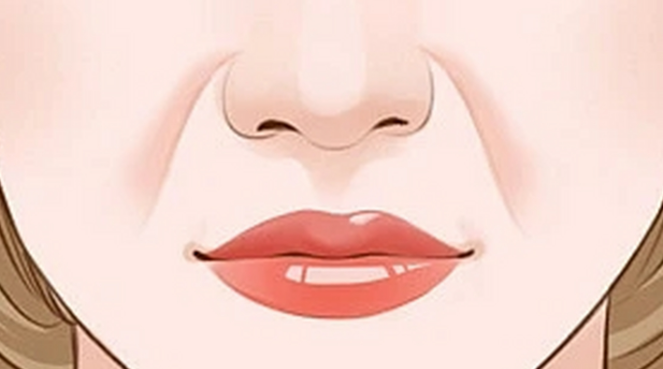
The term “馒化” describes the condition where the face appears swollen, overly filled, and has blurred, rounded contours after injection filler treatment, giving the visual impression that the face has been “stretched open.” There are several main reasons why Nasolabial Fold Correction may result in this effect.
1. The water-absorbing and swelling properties of Filler
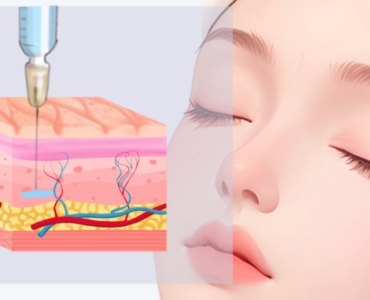
Filler itself has hydrophilic properties; after injection, it absorbs moisture from the surrounding tissues, causing its volume to increase. If the injection is performed at a shallower depth (in the dermis rather than the periosteum), swelling may occur more easily after absorbing water. Mild swelling in the initial stages is a normal reaction and usually subsides partially within 1 to 2 weeks.
2. Excessive dosage of the injection
The Nasolabial Fold Correction is not something that the more injections are given, the better the result will be. The tissue in this area is relatively thin, and when too much Filler is injected, there isn’t enough space for it to be “stored” beneath the skin, causing it to bulge outward and making the areas around the nostrils appear overly full, which may even affect the overall contour of the lower face.
3. The injection layer is incorrect.
The correct injection site for Nasolabial Fold Correction is primarily in the deeper layers (above the periosteum or deep within the subcutaneous tissue). If the product is injected in the shallower subcutaneous areas, it is more likely to be visible and palpable, and may also result in an unnatural sense of fullness. Korean injection techniques place emphasis on deep injections beneath the periosteum precisely to achieve a more natural outcome.
4. The selected Filler brand is not suitable.
Not all types of Filler are suitable for use in Nasolabial Fold Correction. Products with too low a degree of cross-linking have a higher water absorption capacity and are prone to causing swelling; those that are too hard may form lumps under the skin. For Nasolabial Fold Correction, it is recommended to use fillers with a moderate texture, such as Juvederm Ultra XC or Evian Classic.
How long does it take for the swelling to subside on its own after the injection?
- Mild swelling (a normal initial reaction): It will improve naturally within 1 to 2 weeks as the Filler gradually absorbs moisture, and no special treatment is required.
- Moderate induration (excessive dosage or insufficient injection depth): It may take 3 to 6 months for the Filler to be naturally metabolized, or active dissolution methods may need to be considered.
- Severe swelling (which significantly affects the contours): For natural resolution, it is necessary to wait until the Filler has been completely metabolized, which may take 6 to 12 months or more. It is recommended to consult the doctor who performed the injection as soon as possible.
Remedial measures for the flattening effect of Nasolabial Fold Correction injections
Method 1: Wait for natural metabolism to take its course
If the swelling is mild, it is advisable to observe the situation for a while. Filler decomposes over time; therefore, combined with basic skin care routines such as moisturizing and sun protection, and by avoiding extreme temperature changes on the face, the body can naturally metabolize it. This approach is suitable for cases of mild swelling in the early stages.
Method 2: Injection of Filler hyaluronidase
This is the most direct and effective way to address the issue of Filler becoming softened. Hyaluronidase can break down Filler, and significant swelling reduction can usually be observed within 24 to 48 hours after injection, with the effects stabilizing after 1 to 2 weeks.
Precautions: The amount of hyaluronidase used must be carefully controlled; an excessive dose may dissolve even the successfully placed filler, making the Nasolabial Fold Correction more noticeable than before the procedure. A small number of people may experience allergic reactions to hyaluronidase, so it is recommended to have the treatment performed at a legitimate medical institution. In South Korea, the approximate cost for hyaluronidase treatments at Dermatology clinics ranges from 50,000 to 150,000 South Korean won (equivalent to approximately NT$1,200 to NT$3,600).
Method 3: Local cold compresses to assist in reducing swelling
For the initial swelling that occurs after the injection, applying cold compresses can help reduce the swelling. Wrap an ice pack in a clean towel to prevent the ice from coming into direct contact with the skin; each cold compress should last no more than 15 minutes. Cold compresses can be applied within 24 hours after the injection, but do not press on the injection site.
Method 4: Combine it with a Lifting treatment regimen
In some cases, the softening effect is due to the Filler pushing down on already loose tissues. In such situations, using only dissolution methods alone may not yield satisfactory results; it is advisable to combine other approaches.
- HIFU Ultrasound Face Lift: Stimulates the contraction of the fascia layer, effectively reducing Nasolabial Fold Correction from the root cause.
- Botulinum toxin-assisted lifting: A small amount of botulinum toxin is used to relax the tension around the mouth, thereby visually reducing the depth of the Nasolabial Fold Correction.
- Thread lifting: It can provide certain Lifting effects for cases with significant sagging.
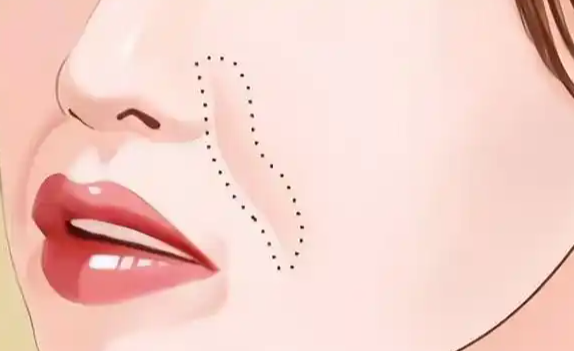
How can Nasolabial Fold Correction be prevented from becoming less effective over time?
- Choose an experienced doctor: The Nasolabial Fold Correction is one of the areas where injection failures are more common. Korean injection techniques emphasize “precision in reducing volume”; it is better to perform additional injections in smaller amounts rather than injecting too much at once.
- Don’t rely on filling it all at once: Be conservative for the first time, and assess the results after 2 to 4 weeks before deciding whether to top it up. This approach will yield better results and carry less risk than injecting a large amount in one go.
- Choose the right Filler product: Inform your doctor that you do not want an excessive sense of fullness, and let them select the appropriate product model based on your specific situation.
- In the first 2 to 3 days after the procedure, avoid drinking excessive amounts of water. During this period, the Filler is absorbing and stabilizing moisture, and drinking too much water may exacerbate the local swelling.
- Avoid high-temperature exposure: Within one week after the procedure, avoid taking saunas or soaking in hot springs, as high temperatures can affect the setting of the Filler.
Frequently Asked Questions
Can the Nasolabial Fold Correction disappear on its own?
Mild initial swelling can subside on its own, usually improving within 2 weeks. However, in cases of moderate to severe swelling caused by excessive dosage or insufficient application depth, natural metabolism may take a much longer time to resolve the issue. It is recommended to consult a doctor to determine whether any additional treatment, such as dissolving the affected area, is necessary.
How long does it take to see actual results after undergoing Nasolabial Fold Correction?
It usually takes 3 to 7 days for the swelling to subside before you can see the final results, and the condition becomes completely stable after 2 weeks. If there is still significant swelling or an unnatural feeling after 2 weeks, then it’s necessary to seriously consider whether there might be some issues.
Will proteolytic enzymes cause the skin to deteriorate?
The correct dosage of hydrolase will not damage the skin; it acts specifically on Filler and does not affect the skin’s own hyaluronic acid. However, excessive use may indeed result in the loss of all filling effects, requiring re-evaluation and further treatment.
Are there any non-invasive methods to improve the appearance of the Nasolabial Fold Correction?
Yes. The formation of the Nasolabial Fold Correction is mainly due to the sagging of facial fat and skin relaxation. Simply performing fillers only serves to “fill in the gaps,” providing temporary relief rather than a permanent solution. Alternative or complementary treatments include ultrasonic facelifts (which address the root cause), botulinum toxin injections around the mouth, and autologous fat transplantation. For people aged 30 to 40 and above who already have noticeable facial sagging, Lifting is considered a more preferable option than fillers.